2022 Annual Conference
INTERNATIONAL CONFERENCE
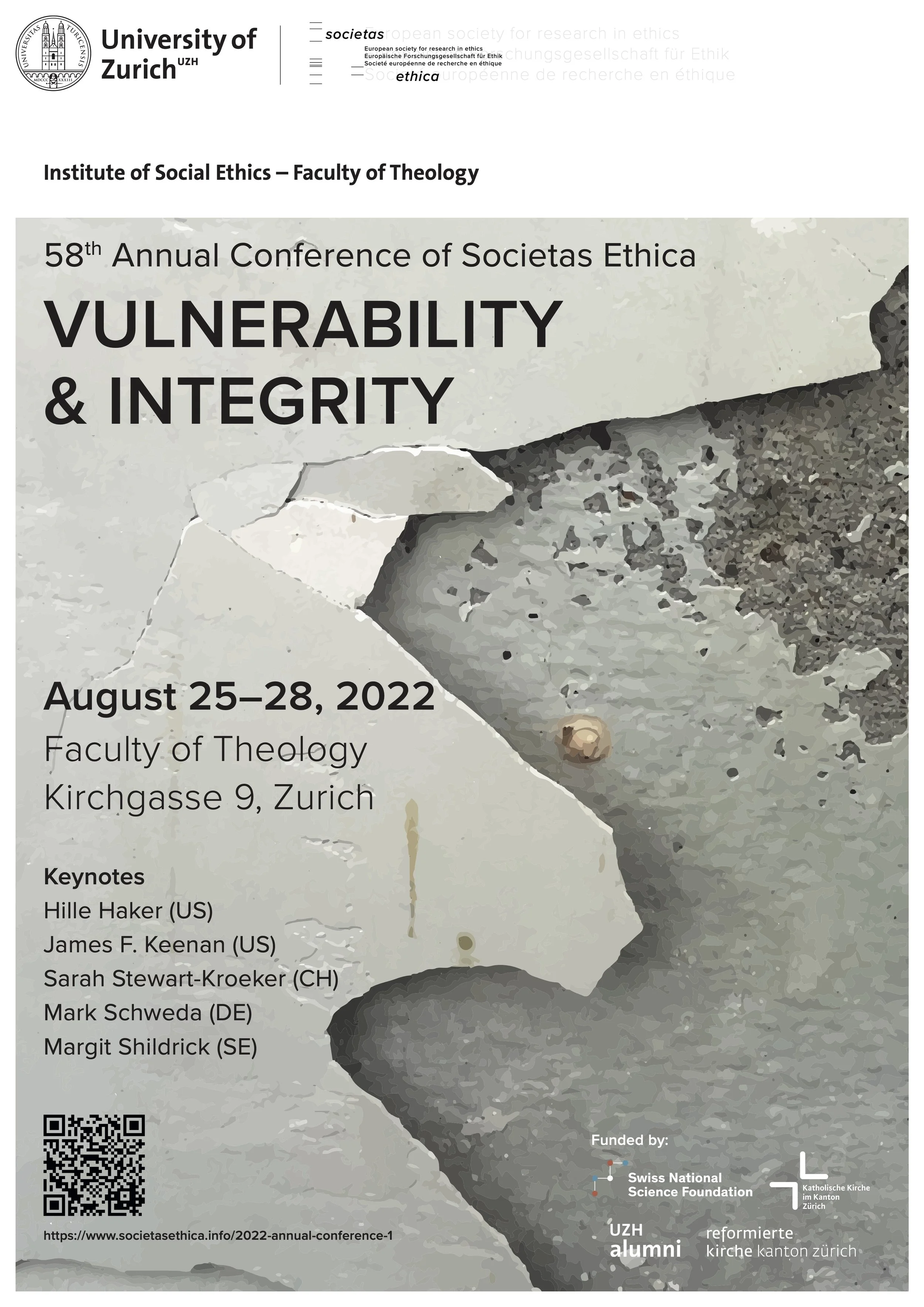
Societas Ethica | 58th Annual Conference 2022
Zürich
Vulnerability & Integrity
August 25–28, 2022
Registration for the conference is closed.
Last date to register for the conference was June 15, 2022.
The moral impact of vulnerability, especially human vulnerability, has been intensely discussed in recent years. It seems that human vulnerability offers a foundation to better understand morality, especially regarding the moral duties of beneficence and nonmaleficence. But it might also enable a deepened understanding of concepts of autonomy and justice.
The concept of vulnerability refers to the potential or the risk of being wounded (latin vulnus for wound) or harmed. Thus, the concept presupposes that there is something unharmed, some integrity (latin integer for unharmed) that can be wounded or harmed. This points to a close relation of the two concepts of vulnerability and integrity, but the question for the moral relevance of these conceptual observation remains.
While the concept of vulnerability has been intensely discussed there is far less ethical discussion on the concept of integrity. Therefore, this conference suggests clarifying the moral relevance of vulnerability by reference to a better understanding the concept of integrity and vice versa. The topic will be discussed on a fundamental conceptual and normative level, as well as with regard to different areas of applied ethics (medical ethics, nursing ethics, political ethics, ecological ethics).
Keynote speakers:
Prof. Dr. Mark Schweda, Professor of Ethics in Medicine at the School of Medicine and Health Sciences, Department of Health Services Research, University of Oldenburg, Germany
Prof. Dr. Sarah Stewart-Kroeker, Jacques de Senarclens Associate Professor of Ethics, Faculty of Theology, University of Geneva, Switzerland
Prof. Dr. James F. Keenan, S.J. Canisius Professor, Theology Department, Boston College, USA
Prof. Dr. Margit Shildrick, Guest Professor in Gender and Knowledge Production, Stockholm University, Sweden
Prof. Dr. Hille Haker, Richard A. McCormick, S.J., Chair of Catholic Moral Theology, Loyola University Chicago, USA
Author interview:
Bruno Ziauddin
Keynote Speakers

Ageing, Vulnerability, and the life course
Public Lecture in cooperation with the Center of Competence for Gerontology (https://www.zfg.uzh.ch/en.html) at the University of Zurich
Prof. Dr. Mark Schweda, University of Oldenburg, Germany
The talk aims to clarify the relations between vulnerability and ageing. I argue that common narrow conceptions of vulnerability do not provide a sufficient basis for a general equation of growing old and becoming more vulnerable. Instead, I consider ageing in the anthropological context of a fundamental human vulnerability. This opens a process perspective on the emergence, development and transformation of vulnerability over the human life course, and highlights the relevance of individual and cultural narratives for the assessment of vulnerability.
Mark Schweda is a philosopher and bioethicist. He is Professor for Ethics in Medicine at the Department of Health Services Research of the School of Medicine and Health Sciences at the University of Oldenburg (Germany). His research focuses on ethical aspects of ageing, the life course and human temporality in medicine and healthcare.

Wounded Integrity: The Resurrected Body
Prof. Dr. Sarah Stewart-Kroeker, Jacques de Senarclens Associate Professor of Ethics, Faculty of Theology, University of Geneva, Switzerland
In the gospel of John, the resurrected Jesus appears to his disciples bearing his crucifixion wounds. Strikingly, the side-wound is penetrable, not closed over like the scar of a healed wound. Thomas puts his fingers in Jesus’s side. The resurrected Christ is not restored to the integrity of his pre-crucifixion body. The significance of the resurrected wounds is not uncontroversial, particularly in light of feminist concerns about the place of sacrifice, suffering, and kenosis in Christian theology – concerns which also surface in the current debates about vulnerability. I will elaborate a feminist account of the resurrected wounds and their gendered symbolism.
Sarah Stewart-Kroeker is the Jacques de Senarclens Associate Professor of Ethics at the Faculty of Theology of the University of Geneva. Her work in theology and ethics includes particular attention to moral formation, aesthetics, ecology, and feminism. She is the author of Pilgrimage as Moral and Aesthetic Formation in Augustine’s Thought (Oxford University Press, 2017) and the forthcoming book La terre martyre (Labor et Fides).

Vulnerability, Conscience, and Integrity: Making Connections
Prof. Dr. James F. Keenan, S.J., Boston College, USA
My talk will explore a capacious understanding of vulnerability that precedes the order of conscience. Following Aquinas that conscience is not a disposition, but an act, I will propose vulnerability as prior to the act of conscience and very much about the seat of integrity.
James F. Keenan, S.J., is the Canisius Chair, Director of the Jesuit Institute, and Vice-Provost for Global Engagement at Boston College. A Jesuit priest since 1982, he received a licentiate and a doctorate from the Pontifical Gregorian University. The founder of Catholic Theological Ethics in the World Church (www.catholicethics.com), he chaired the international conferences in Padua (2006), Trento (2010) and Sarajevo (2018). He has edited or written 25 books and published over 400 essays, articles, and reviews. His A History of Catholic Theological Ethics was published in May by Paulist Press and Georgetown University Press is publishing Preparing for the Moral Life next year.

Beyond Bodily Integrity: the bioethics of the disordered body
Prof. Dr. Margrit Shildrick, University of Stockholm, Sweden
My focus on vulnerability and bioethics will take a phenomenological perspective that understands the self as having no meaning or existence beyond its embodiment. As such we are always open, and therefore vulnerable, to the constant changes of embodied experience. The transformations in embodiment are both necessary for development and continuous over the life course, but it is only when something breaks the cycle of normative development that the intimation of vulnerability and disorder arise. Corporeal disorder operates in a highly individual and differentiated way as it manifests, for example, in the experience of disability, pain, ageing and dying. These are not exceptional moments of vulnerability in a life otherwise secure and predictable but they do clearly set out the limits of the western imaginary, and more particularly of modern western biomedicine and conventional healthcare. In offering a critique of the positivist enterprise of biomedicine, I want to suggest a different understanding of the embodied self that has radical implications for bioethics.
Margrit Shildrick is Guest Professor of Gender and Knowledge Production at Stockholm University, and Adjunct Professor of Critical Disability Studies at York University, Toronto. Her biophilosophical research covers postmodern feminist and cultural theory, bioethics, critical disability studies and body theory. Her publications include several single-author books and edited collections and many journal articles. Her new book Visceral Prostheses: Somatechnics and Posthuman Embodiment about the biophilosophical and embodied conjunction of microchimerism, immunology and corporeal anomaly will be published in early 2022.
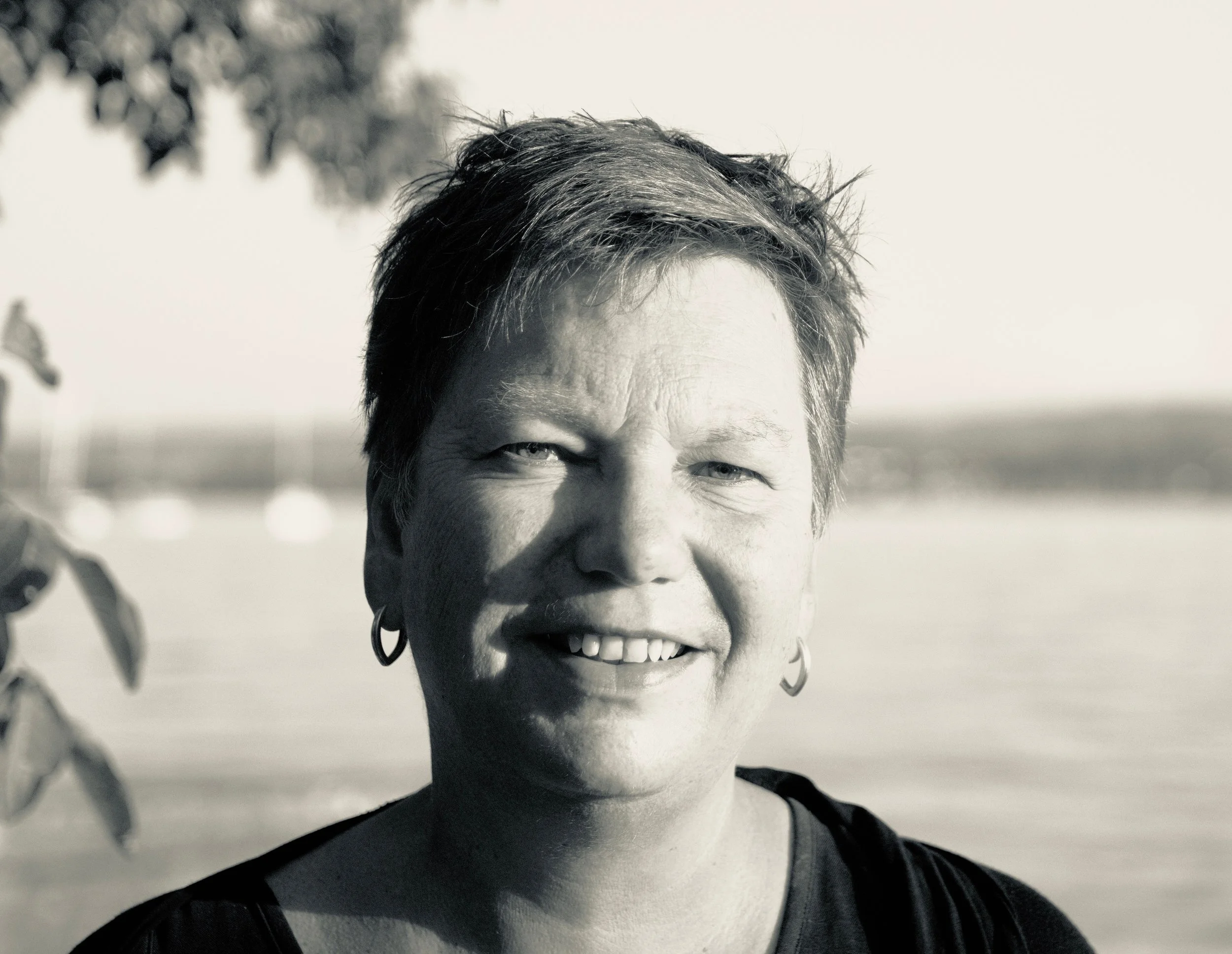
On the Critique of Vulnerability
Prof. Dr. Hille Haker, University of Chicago, USA
Critique is a way to discern the meaning, scope, and limits of a concept, but it also illuminates it in relation to other concepts. Critique is necessary when a term becomes so ubiquitous that its contours are blurred.
I will show that a differentiation between anthropological, moral, and structural dimensions of vulnerability is necessary. It also explains why vulnerability seems to be so ubiquitous. Vulnerability must be seen in relation to receptivity and a general openness to others and the world. Morally speaking, this openness comes with the risk to be hurt, injured, or misrecognized. What is often overlooked, however, is that this means, vice versa, that human agency comes with the risk to actively hurt, harm, or misrecognize others. It is this fact of the possibility to be harmed and the capability to harm others that warrants a reflection on the dialectic of affectability and moral agency in relation to vulnerability. Without it, the concept of vulnerability is at risk to over-emphasize the passivity and fragility of the self, and under-estimate the power to act.
I will argue that the fact of vulnerability requires the virtue of courage that is oriented by the response-ability of moral agents and the possibility of mutual recognition as normative orientation. The critique of vulnerability therefore results in a reconsideration of the dialectic of vulnerability and moral agency.
Hille Haker holds the Richard McCormick S.J. Endowed Chair in Catholic Ethics at Loyola University Chicago. She has taught at Frankfurt University (2005 to 2009), and Harvard University (2003 to 2005) and holds a Ph.D (1998) and Habilitation (2002) in Christian Theological Ethics from the University of Tübingen, Germany. Hille Haker served on several Bioethics Committees, including the European Group on Ethics in Science and New Technologies to the European Commission (2005-2015). From 2015-2018, she was the President of Societas Ethica, European Society for Research in Ethics, currently serving on its Board. She has written four monographs and co-edited several books in the field of bioethics and social ethics. Most recently, she published Towards a Critical Political Ethics. The Renewal of Catholic Social Ethics, Würzburg, Schwabe Verlag (2020) and an edited volume Unaccompanied Migrant Children. Social, Legal, and Ethical Perspectives2019 (with Molly Greening).
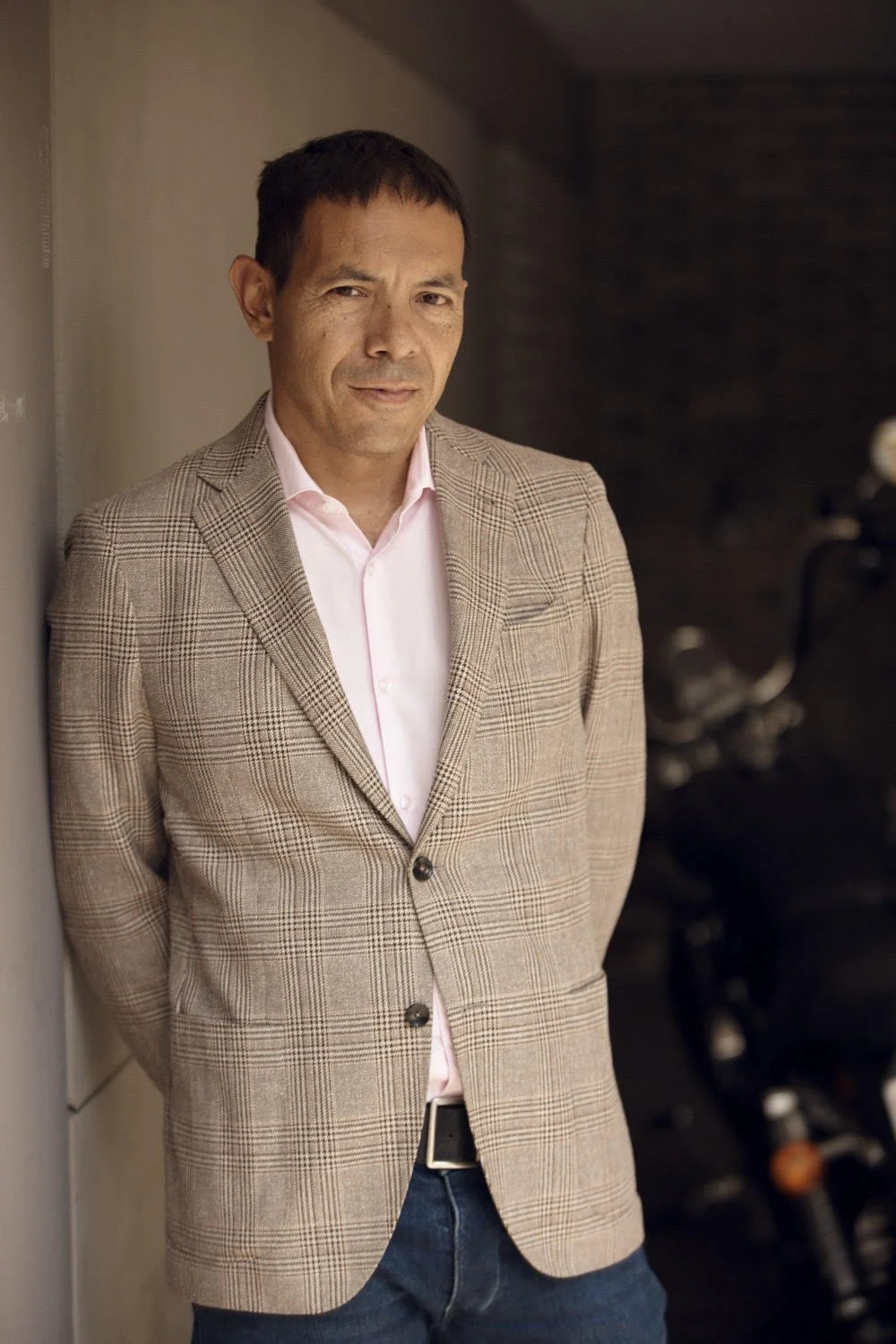
«Woher kommst Du?»
Bruno Ziauddin
«Woher kommst Du?» - Reading und talk on experiences of vulnerability with the author Bruno Ziauddin
Conference Host

Full Team of the Institute of Social Ethics, University of Zurich
Institute of Social Ethics
Founded in 1964, the Institute of Social Ethics is a research center of the Faculty of Theology at the University of Zürich devoted to theological, theoretical, and applied ethics, with a focus on religion in the contemporary world. Areas of expertise include political, environmental, medical, and business ethics. With a strong international focus, the Institute aims to bring together ethical reflection and public policy analysis to address matters of domestic and global concern.

Prof. Dr. Michael Coors
Michael Coors is associated Professor of Theological Ethics and Director of the Institute of Social ethics at the University of Zurich since 2019. He currently is also director of the interdisciplinary Center for Ethics of the University.
He finished his PhD on Hermeneutics and Scriptural authority in 2008 at the University of Greifswald, worked as research assistant at the University of Rostock (2008–2010) and as theologian at the center for Healthcare Ethics of the Lutheran Church of Hannover (2011–2019). In 2018 has been habilitated with a work on the ethics and anthropology of ageing at the University of Greifswald.
His research interests cover a variety of topics from the field of medical ethics (e.g. end of life care, reproductive medicine, ageing, vulnerability), political ethics, and the foundation of theological ethics and ethics in general.

Dr. Lea Chilian
Lea Chilian started as senior research and teaching assistant at the Institute of Social Ethics in September 2021. She finished her doctoral thesis (~ PhD) on “ethical dimensions of spirituality in Health Care” in Juli 2021 at the department for Systematic Theology, Faculty of Protestant Theology at Ludwig-Maximilians-University in Munich. Here she worked as research and teaching assistant for “ethical dimensions of pastoral praxis”. For her doctoral thesis she was granted a doctoral scholarship by Evangelisches Studienwerk Villigst e.V. (government-sponsored scholarship organization).
Lea Chilians research interests include biomedical ethics, ethics of healthcare, ethics in pastoral care and spiritual care, as well as Care-Ethics and feminist ethics.

Sebastian Farr, Mag. Theol.
Sebastian Farr has been working as research and teaching assistant at the Institute of Social Ethics since 2019.
His dissertation-project focusses on the ways healthcare chaplains are involved with ethics consultation and how they understand their professional identity as both pastoral care givers and ethics experts.

Faculty of Theology
The Faculty of Theology is located in the heart of Zürich right next to the Grossmünster, one of the main churches of the city, and will function as conference venue. With roots dating back to the «Prophezei», which was founded in 1525 by famous reformer Huldrych Zwingli, it is the oldest institution of higher education in Zürich.

Faculty of Theology with Grossmünster

View of City, Lake and Alpen-Mountainrange
Societas Ethica Annual Conference 2022
Preconference-Workshop for PhD students and PostDocs
Societas Ethica together with the peer mentoring group «Systematic Theology» of the University of Zurich will offer a preconference-workshop for PhD students and PostDocs ahead of this year’s annual conference. The workshop will provide attendees with a brief introduction on vulnerability and integrity by Dr. Maren Behrensen (Assistant Professor, Department of Philosophy, University of Twente) and peer discussion on pre-read texts on the conference’s topics.
The aim of the workshop is to provide PhD students and PostDocs with the chance of extending their academic network as well as explore how the conference topic of vulnerability and integrity can be related to their ongoing research.
Attending the preconference-workshop is free of charge. Please indicate your participation in the registration form.
Please get in touch with us if you need to travel to Zurich before August 25 in order to attend the workshop.
Date: 25. August 2022, 2–5 pm
Location: Faculty of Theology, Kirchgasse 9, 8001 Zürich, Switzerland
Contact: lea.chilian@uzh.ch