2026 Keynote Speakers
Keynote speakers
INTERNATIONAL CONFERENCE
CRISIS & RECOVERY – ETHICS IN INTERDISCIPLINARY DIALOGUE
Societas Ethica’s 62nd Annual Conference 2026
August 20–23 2026, University of Tartu, Estonia
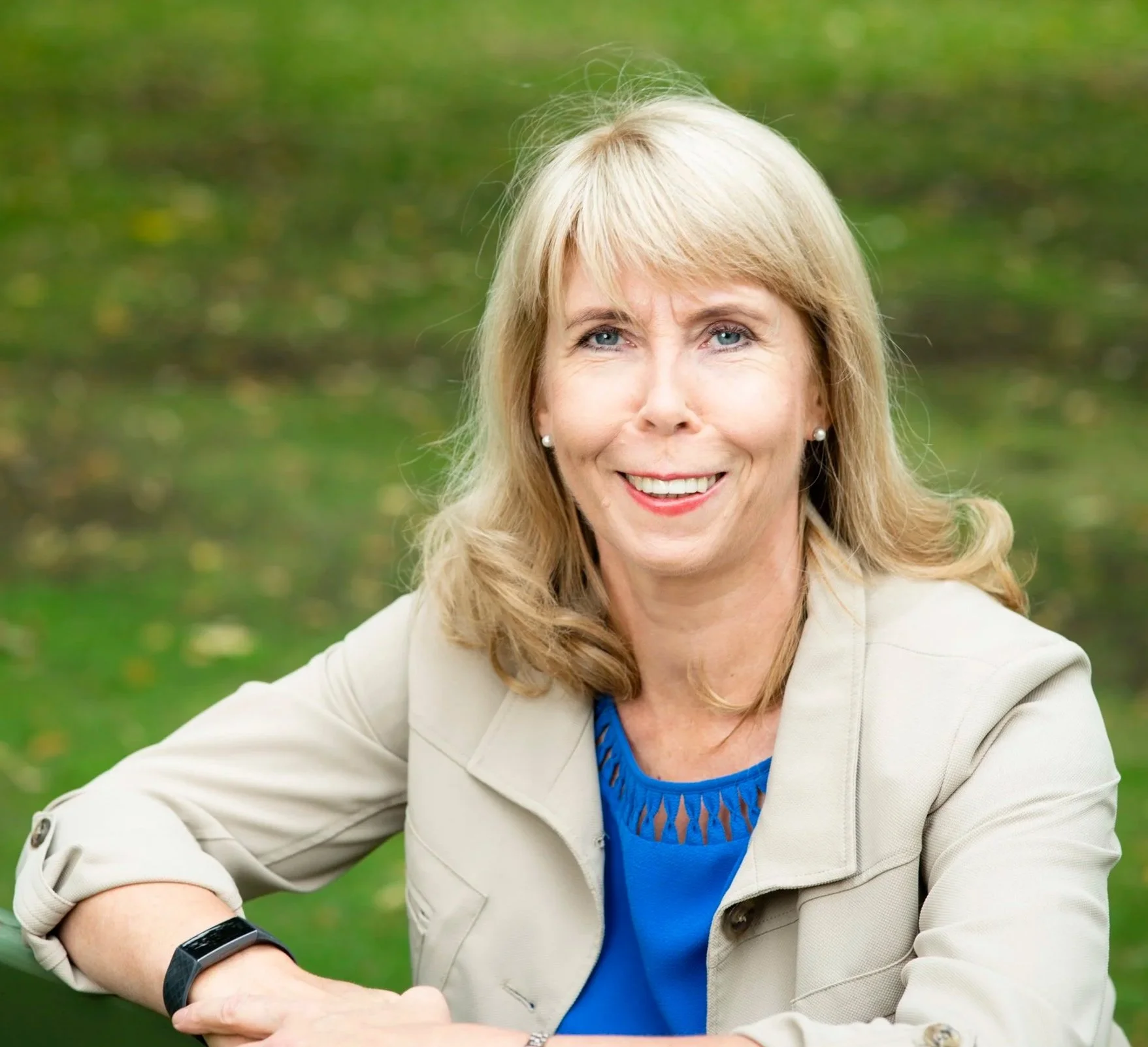
Prof. Dr. Margit Sutrop
University of Tartu
Keynote Lecture: Educating for Human Flourishing in Times of Crisis: Why Ethical Competency Matters
Educational aims can be understood in different ways: as preparation for the labour market, as the cultivation of autonomy, as the formation of good citizens, or as education for human flourishing. It is this last aim — education for human flourishing — that has now been placed at the centre of the OECD’s new educational framework (2025), to which I contributed by helping to articulate the concept of ethical competency. In that framework, ethical competency is closely related to values competency, communicative competency, and cultural competency.
Such a return to an ancient tradition that connects education, ethics, and human flourishing is significant in a world marked by overlapping crises, growing moral disagreement, and deepening value conflict. We live in the aftermath of the COVID-19 pandemic, in the shadow of war and the climate crisis, and in a time of democratic fragility and accelerating technological transformation. AI is entering ever more deeply into education, healthcare, the economy, and warfare, taking over functions once reserved for human beings. Under such conditions, questions about what it means to be human, and what is truly worthy of protection, become increasingly urgent.
In this lecture, I argue that education for human flourishing requires ethical competency, understood as sensitivity to ethical issues, moral imagination, ethical judgement, ethical reasoning, and ethical action. Ethical competency matters because human flourishing in times of crisis cannot be sustained without the ability to recognise ethical problems, imaginatively to put oneself in the place of others, to understand positions different from one’s own, to deliberate on values, to engage in dialogue, and to seek shared ground. At the same time, it is not realistic to expect full agreement on ethical issues or ethical frameworks, since people value different things and pursue different ends. I therefore suggest a different starting point: not agreement on what we ultimately value, but agreement on what we do not want to allow and what we do not want to lose. I defend a pluralist position, distinct from relativism and compatible with objectivism. Even if there is no single best solution to every moral problem, some answers can still be recognized as wrong. This may help us find common ground about what deserves protection: autonomy, human dignity, freedom from humiliation and objectification, resistance to poverty and war, the preservation of language and culture, and the refusal to become subordinated to our own technologies.
Margit Sutrop is Professor of Practical Philosophy at the University of Tartu, Director of the Centre for Ethics, and a Member of the Estonian Parliament. Her research focuses on the ethics of AI, trust in science, moral disagreements, values education, aims of education and teaching of ethical competence. She is a Member of Academia Europaea and has worked for more than 20 years with the European Commission as an ethics expert and adviser in several EU-funded projects.
Sutrop has played a leading role in shaping discussions on research ethics, moral philosophy, and values education in Estonia and internationally, combining academic scholarship with institution-building and policy engagement. In 2001, she founded the interdisciplinary Centre for Ethics at the University of Tartu and later led the team that contributed to drafting the Estonian Code of Conduct for Research Integrity (2017). Her broader work spans bioethics, aesthetics, and the ethics of emerging technologies, including biometrics, biobanks, and AI.
Prof. Dr. Ingolf U. Dalferth
Claremont Graduate University / University of ZUrich
Keynote Lecture: Always Look on the Bright Side of Life? Optimism, Pessimism, and Radical Hope
We are living in an era of profound change, constant uncertainty and overlapping crises. How can we respond to this situation without succumbing to the pressures and conflicting forces acting upon us? In my talk, I will explore the roles of optimism, pessimism, and realism in navigating this situation. In particular, I will consider how narratives shape our perception of the world and its realities, and how they influence our conception of its possibilities. While some advocate a return to traditional narratives, others are working to create new, more sustainable ones for the future. But what are we to do when old narratives no longer hold any meaning and there are no convincing new ones in sight? Do we need new metanarratives, or are there other ways to respond to the difficulties and challenges of the present? I believe there are, and I will present a proposal to address this situation.
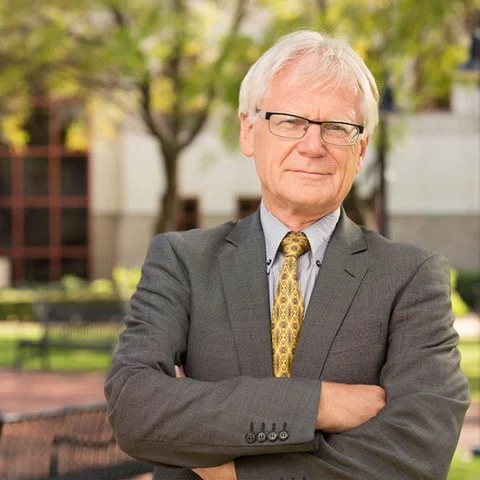
Ingolf U. Dalferth, born 1948; Professor Emeritus of Systematic Theology, Symbolism and Philosophy of Religion at the University of Zurich and Danforth Professor Emeritus of Philosophy of Religion at Claremont Graduate University in California.
Dalferth was president of the European Society for Philosophy of Religion several times, founding president of the German Society for Philosophy of Religion from 1999 to 2008 and president of the Society for the Philosophy of Religion in the USA in 2016/2017. He was editor-in-chief of “Theologische Literaturzeitung” in Leipzig, “Claremont Studies in the Philosophy of Religion” in California and “Religion in Philosophy and Theology” in Tübingen. Dalferth holds honorary doctorates from the Universities of Uppsala (2005) and Copenhagen (2006). His recent publications include The Passion of Possibility: Studies on Kierkegaard's Post-Metaphysical Theology (2023), We: Humanity, Community, and the Right to Be Different (2024), and The Mystery of Existence: Philosophy of Religion and the Existential Turn(2025).
Prof. Dr. Susan Petrilli
University of Bari Aldo Moro
Keynote Lecture: Masters of the Sign and Peacemakers – Semioethics and New Humanism
In many cases the qualifications “masters of the sign” and “peacemakers” converge as emerges on considering together their contributions to sign theory, on the one hand, and to social reality, on the other. Scholars of the sign know that for there to be a sign there must be another sign to interpret it, such that the sign flourishes and functions in the relation of alterity (otherness) and dialogism. The objectivity of alterity tells of the impossible evasion of signs from their destiny, which is the other. The vocation of the sign, of the word, of the human revolves around such values as opening to the other, translation, encounter among signs and bodies, dialogue, listening and hospitality, caring and gifting. The nature of the sign, of the word, is dialogic. To be is to communicate. Nature and culture develop in the material of signs. Global semiotics and biosemiotics evidence the sign materiality of life, such that signs and life under certain respects are understood to converge. Evolving from the inevitable intrigue between I and other, the human in anthroposemiosis is called to address the question of responsibility which presupposes responsiveness and unindifference in the face of the other. This explains how a scholar of semiotics, philosophy of language, of the sign sciences generally is interested in dialogism, alterity and correlate values, such that a new approach which foregrounds such values is now unfolding under the banner of semioethics.
The implications involved in reading the signs of the other have contributed to reorienting semiotics in this direction. Flourishing in alterity and dialogism, signs and life “speak” to us about peace, friendship and living together whatever the identity or community affiliation, whether sexual, religious, national, political, socio-economic, professional, and so forth. From this perspective, inscribed in the material of signs, in the word, is an orientation towards “preventive peace” and semioethical responsibility. In contrast to dominant humanism of identity, in this time of ecological emergency and humanitarian crises, ever more urgent is the need for a humanism of alterity which privileges participative opening to the other, restlessness and apprehension for the other.
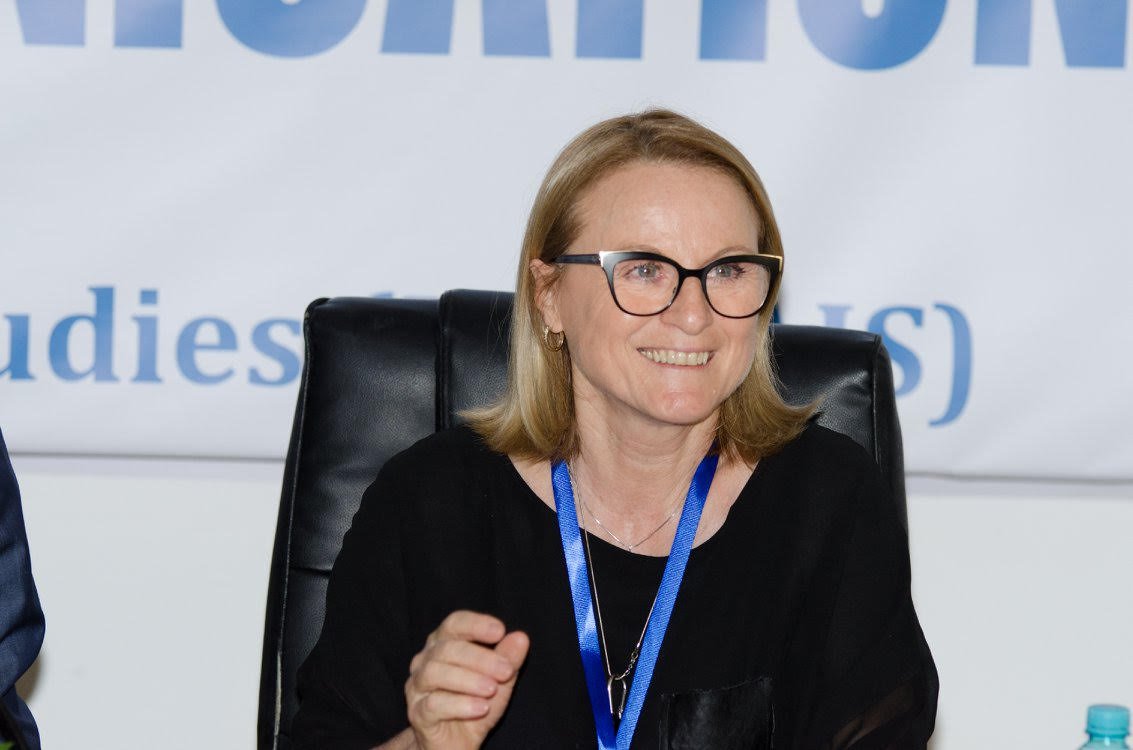
Susan Petrilli is Professor of Philosophy and Theory of Languages, University of Bari Aldo Moro where she teaches Philosophy of Language, Semiotics, Semiotics of Translation and Semioethics. She launched semioethics in the 1980s with Augusto Ponzio. On the topic they co-authored the monograph Semioetica in 2003 and Semioetica. La scienza dei segni in ascolto in 2024. In addition to numerous essays, related books by her include Sign Studies and Semioethics (2014); The Global World and Its Manifold Faces(2016); Challenges to Living Together (2017); Signs, Language and Listening (2019); Maestri di segni e costruttori di pace (ed. 2021); Oltre il significato. La significs di Victoria Welby (2023); The Past, Present and Future of Semioethics (2025); Il diritto all’infunzionalità come fondamento dei diritti umani (ed. 2025); Semioethics as Existential Dialogue. The Gift and Burden of Responsibility (ed. 2025); Materialistic Semiotics and Social Reality. A European School for World Peace (ed. 2026). She co-directs the book series “Nel segno” (Giuseppe Laterza), “Reflections on Signs and Language” (Peter Lang); “Il segno e i suoi maestri” (Pensa Multimedia). She has contributed to launching Victoria Welby (Significs) as a central figure in the history of modern semiotics. Peace movements are a central concern for her in theory and practice, with special reference to the International Women’s Movement and the Maternal Gift Economy.
Prof. Dr. Jaana Hallamaa
University of Helsinki
Keynote Lecture: Between Self-Victimization and Safety Culture – Ethical Remarks on Encountering and Coping with Crises
Acknowledging the importance of and considering the voice of victims has become an important component of political efforts to improve criminal justice, enhance support services and foster restorative justice for people traumatized by crime, war and other violence, or human rights violations.
Recently, the focus has shifted to a different type of victim as members of ethnic and religious majorities, and proponents of traditional gender roles have presented themselves as victims and insisted on the protection of their rights. The measures designed to safeguard victims, e.g., enhancing use of non-offensive language and creating safe spaces, now represent suppression and discrimination. The shift from considering the voice of victims to various forms of self-victimization in political rhetoric has been surprisingly rapid. How did guarantees of respectful language and safe spaces become toxic?
For a way forward from a social stalemate, I suggest exploring types of safety and measures to prevent circumstances that create victims. We could strengthen our moral resources by making use of approaches developed in safety studies.
Jaana Hallamaa is Professor of Social Ethics, University of Helsinki and Life member of Clare Hall, Cambridge. Her fields of research include conceptions of moral personhood, theory of social action, ethics of failure, and various fields of applied ethics.
Her most recent research project dealt with ethical design of AI (ETAIROS Consortium, Academy of Finland, SRC STEER program 2019–2025; Vice Consortium PI and PI of the Ethics work package). She has contributed widely in ethics committees and boards in chair and member positions (National Advisory Board of Health Care Ethics, Finnish National Board on Research Integrity, Council for Mass Media in Finland, and Ethical Council for Education).
ORCID: 0000-0002-3897-4543
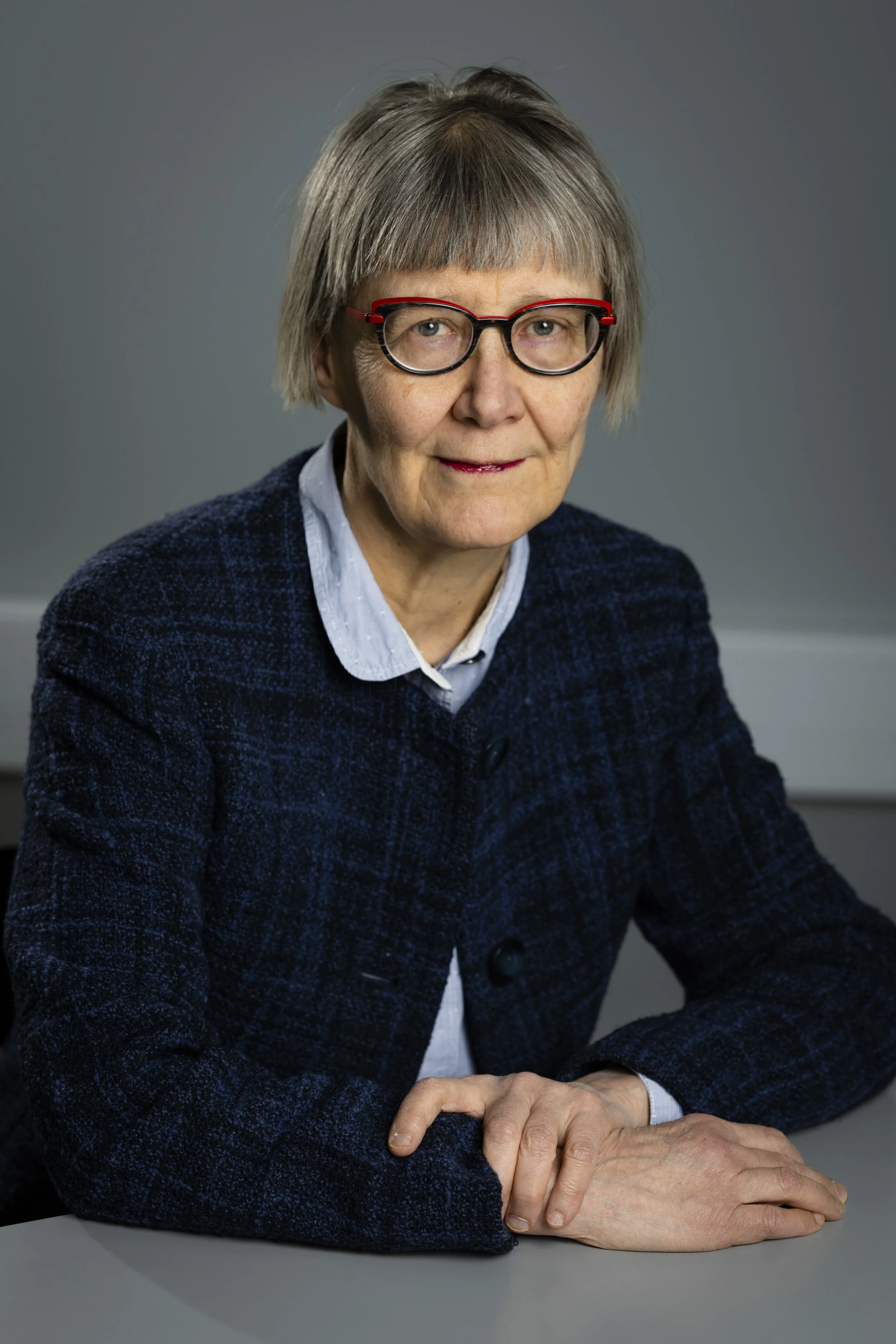
Photo by Veikko Somerpuro
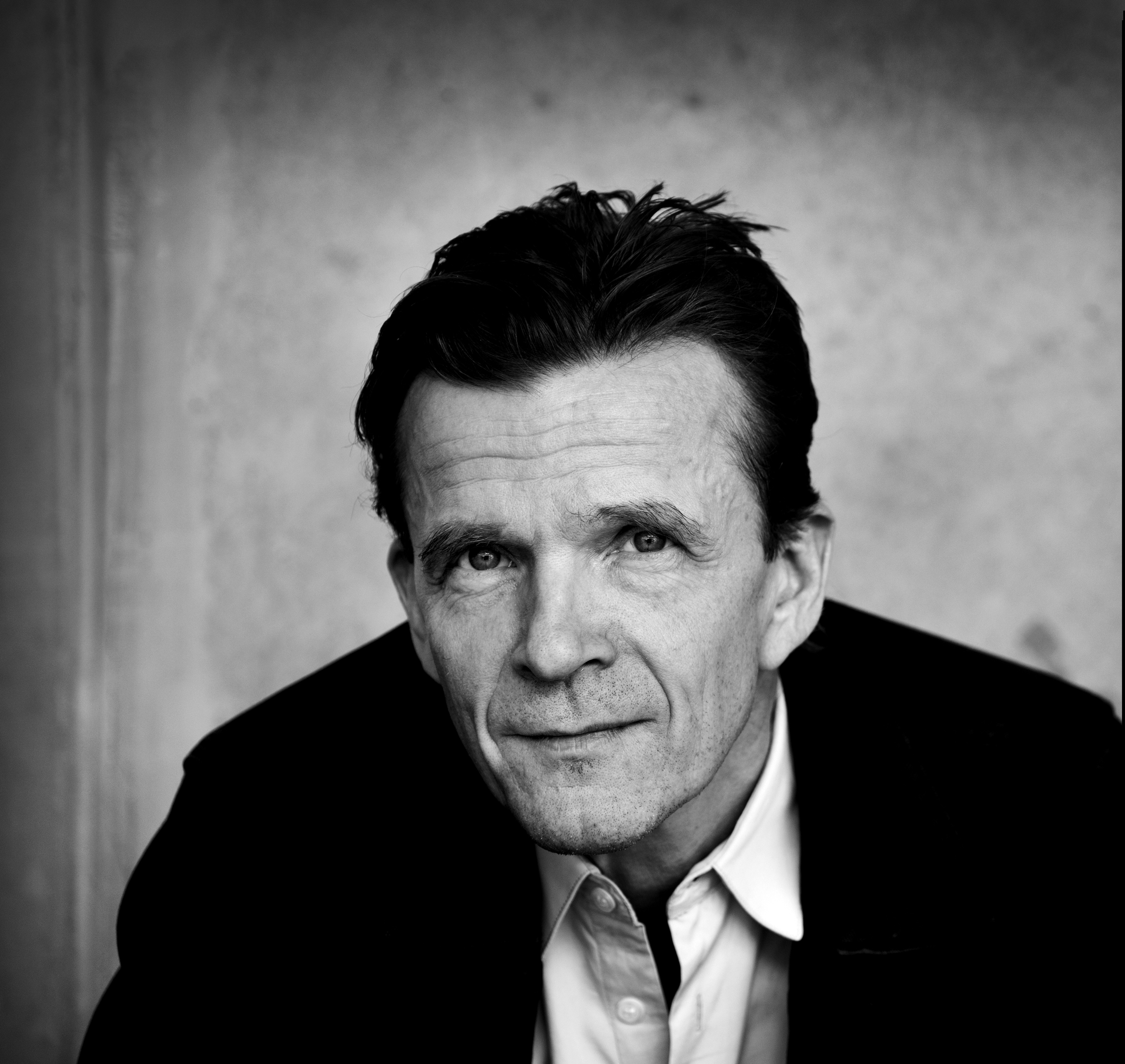
Hans Ruin
Södertörn University
Keynote Lecture: Crisis and Recovery of Tradition – St Paul in the Cultural Memory of Christianity and Judaism
In this presentation I return to the seminal figure of St Paul, as both critic and a renewer of Jewish tradition. This is part of a larger ongoing work on the role of Paul and the birth of Christianity within the formation of Western cultural memory. It focuses on Paul as a messianic and antinomian response to a crisis within Jewish tradition, a tradition which he seeks to recover through his radical theology of a crucified Messiah. Following his conversion, and through his missionary activities and Letters, Paul creates meaning and joy out of crisis and grief. In doing so, he also shapes a new and radical ethical sensibility, that will eventually form the core of Christian ethics. In dialogue with some of the contemporary literature on Paul, the talk explores this decisive historical event from the perspective of both Jewish and Christian philosophy and theology, positioning it in the context of a more encompassing theory of cultural memory at large.
Professor of Philosophy, Södertörn University (Stockholm). Director of Memory studies platform. Co-editor of Nietzsche’s collected works in Swedish. Specializes in phenomenology, hermeneutics, ancient philosophy, and memory studies. Recent books: Being with the Dead. Burial, Ancestral Politics, and the Roots of Historical Consciousness (Stanford UP, 2019), Reduction and Reflection. Introduction to Husserl’s Phenomenology (in Swedish, 2020), In the Shadow of Reason. Essays on the philosophy of Nietzsche (in Swedish, 2021). Introductions to Phenomenology: Hegel - Husserl - Heidegger (2024). Currently preparing a Swedish translation of Rosenzweig, Der Stern der Erlösung.