Crisis & Recovery A Look Back on the 62nd Annual Conference of the Societas Ethica – European Society for Research in Ethics
Sebastian Zhao
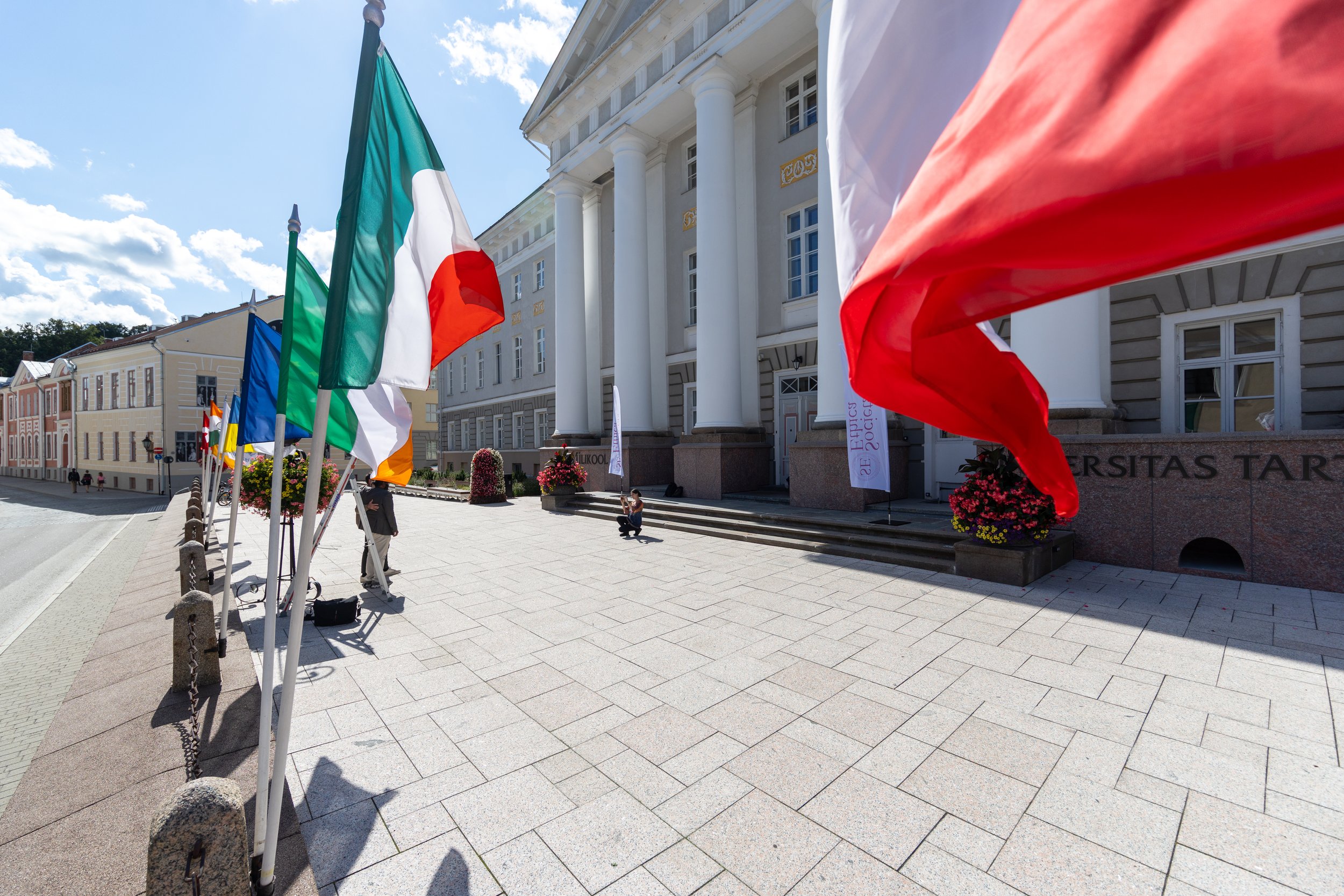
University of Tartu. Photo: Andres Tennus
From 20 to 23 August 2026, the 62nd Annual Conference of Societas Ethica, the European Society for Research in Ethics, took place at the University of Tartu in Estonia. Around 70 participants from across Europe and beyond gathered under the theme “Crisis & Recovery: Ethics in Interdisciplinary Dialogue.”
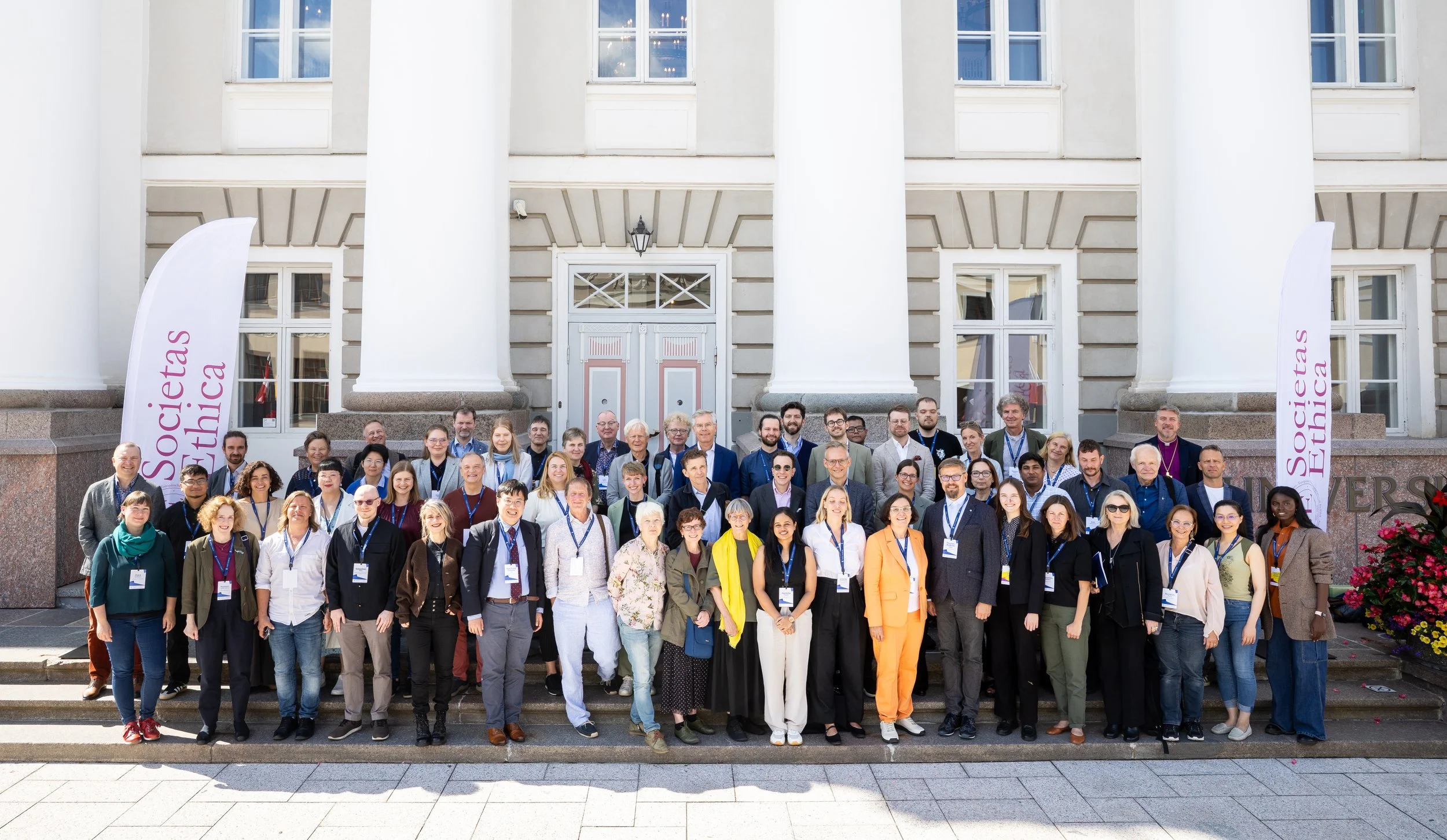
Conference participants. Photo: Andres Tennus
For the first time in its more than 60-year history, Societas Ethica held its annual conference in Estonia. Prof. Dr. Gotlind Ulshöfer, President of the Societas Ethica, emphasised the importance of holding the conference in Estonia for the first time in the Society’s history. She highlighted the Society’s long-standing commitment to bringing together ethicists from across Europe and beyond, and stressed the relevance of expanding its academic networks and strengthening cooperation with colleagues in Central and Eastern Europe, particularly in the Baltic region.
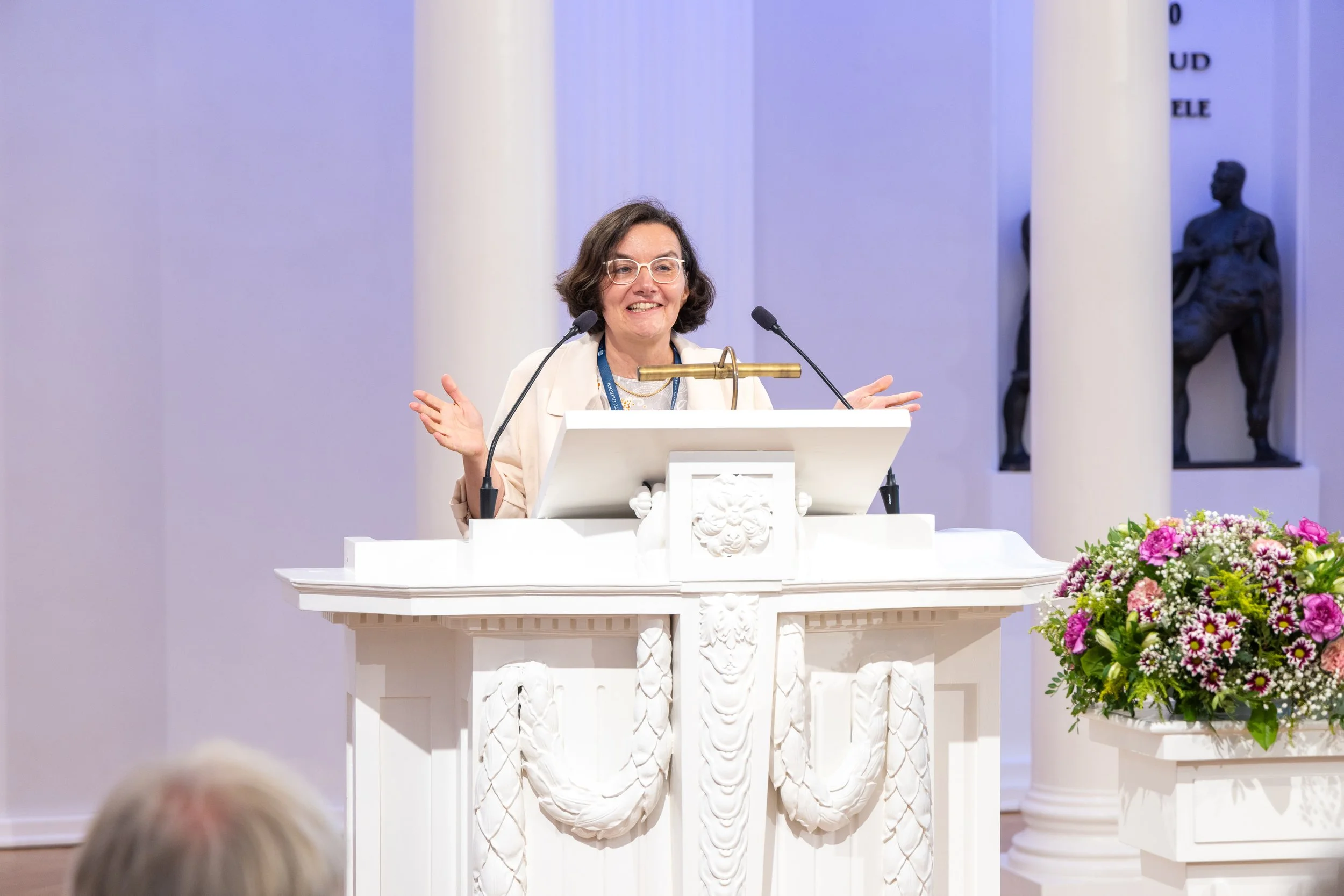
Prof. Dr. Gotlind Ulshöfer, President of the Societas Ethica. Photo: Andres Tennus
The timing of the conference was also of particular historical significance, as the host, Prof. Dr. Thomas-Andreas Põder, Associate Professor at the University of Tartu and Professor at the Theological Institute of the Estonian Evangelical Lutheran Church (EELK), emphasised in his second opening address. The opening day, 20 August, also marked the 35th anniversary of the restoration of Estonian independence following the country’s long occupation, first by Nazi Germany and later by the Soviet Union. The conference concluded on 23 August, a date commemorated across Europe as a day of remembrance for the victims of Stalinism, National Socialism, and other totalitarian regimes. The date thus brought Estonia’s relatively recent history vividly into the experience of the conference participants.
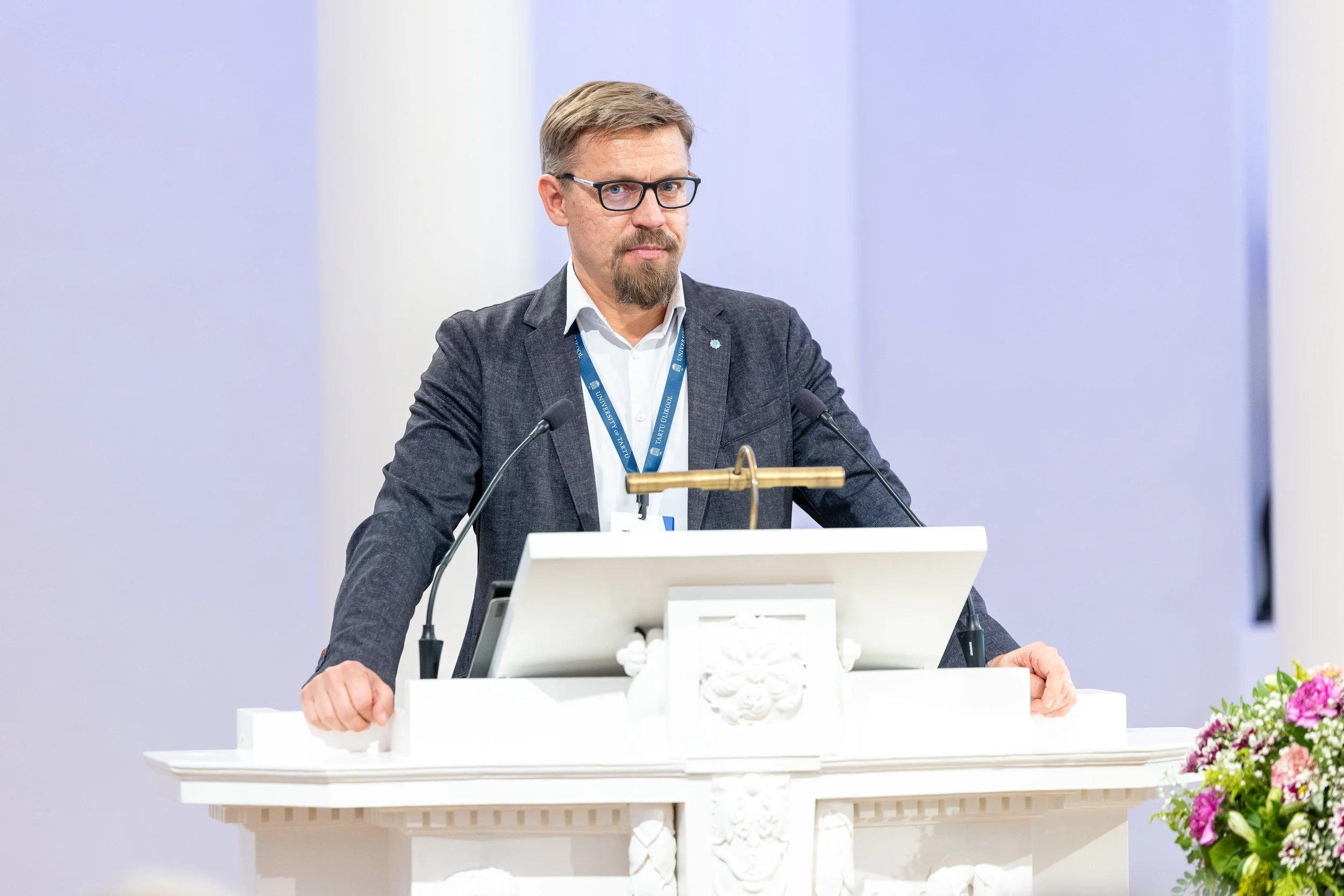
Prof. Dr. Thomas-Andreas Põder, host of the conference. Photo: Andres Tennus
Against this historical backdrop, the two key concepts of the conference theme were explored in greater depth. The first was the concept of crisis, which increasingly permeates and shapes almost every area of contemporary society – in Estonia, across Europe, and globally. Contributions on the ethics of war and displacement offered a particularly compelling perspective for the present day European and worldwide situation. Other contributions addressed the ethical implications of the threats to democratic orders, global sites of crisis such as climate change and pandemics, and the pressing ethical question of how technological transformation can avoid turning into technocratic upheavals of society.
At the same time, a central question concerned the strategies in relation to ethics through which crises can be addressed. What might “recovery” from a crisis actually mean? This question, raised by Prof. Põder, remained a recurring invitation to the ethical reflections throughout the conference: Does recovery mean returning to a supposed state of affairs prior to the crisis? Restoring what has been damaged or destroyed? Or does it mean reorienting ourselves, emerging from a crisis changed, and learning to live with what may have been irretrievably lost?
The conference gained a particular profile from its interdisciplinary character. Scholars at the University of Tartu are internationally recognised for their focus on Memory Studies and semiotics, as well as for semioethics, opening up new perspectives on ethical questions. Reflecting on the conference theme, Prof. Ulshöfer emphasized that crises and social transformations increasingly appear as interconnected and overlapping realities rather than isolated events. At the same time, she argued that these developments challenge ethics itself: ethical reflection needs to become even more interdisciplinary and broaden its scope beyond action and agency to engage more closely with questions of interpretation, hermeneutics, epistemology, and narrative memory.
Within this framework, five keynote lectures offered different interdisciplinary approaches to the conference theme, ranging from systematic ethical reflection to semiotics and Memory Studies:
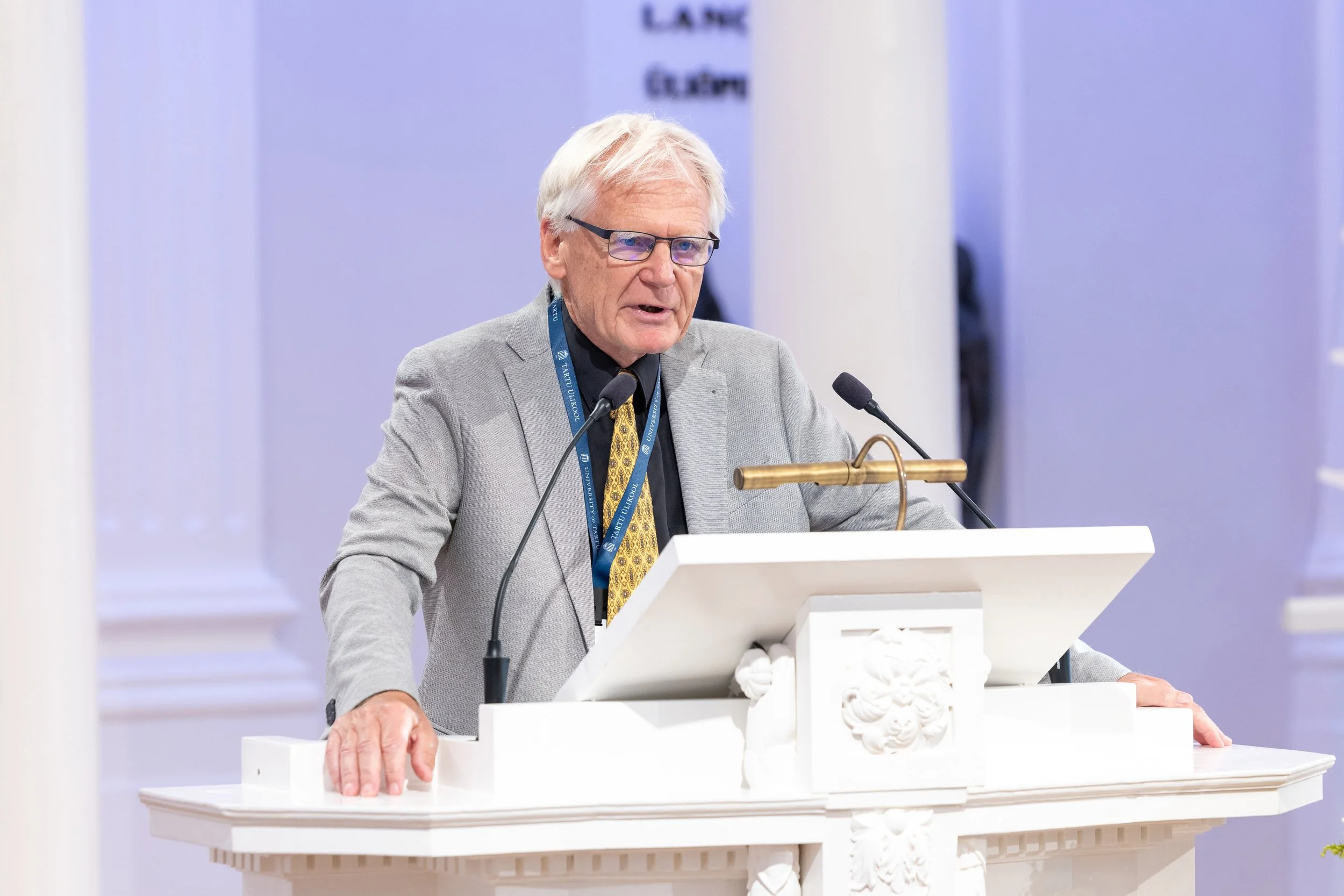
Prof. em. Dr. Ingolf U. Dalferth, Claremont Graduate University and University of Zurich, opened the conference with his keynote, “Always Look on the Bright Side of Life? Optimism, Pessimism, and Radical Hope”, on the relationship between optimism, pessimism, and radical hope. He explored how orientation remains possible when established grand narratives lose their persuasive power without viable alternatives being readily available.
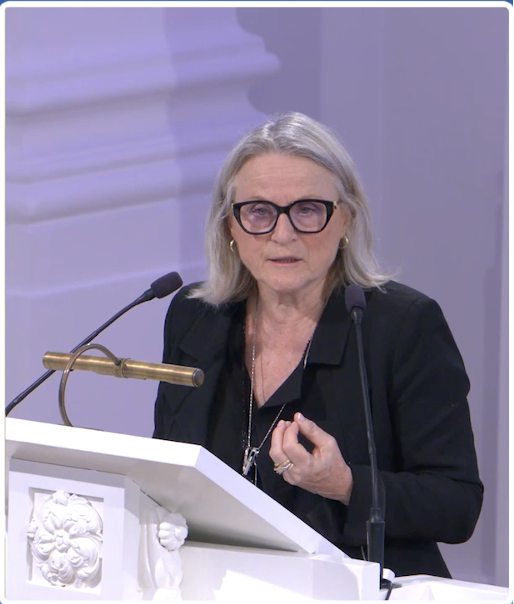
Prof. Dr. Susan Petrilli, Aldo Moro University of Bari, connected in her presentation, “Masters of the Sign and Peacemakers – Semioethics and New Humanism”, semiotics and ethics with a “new humanism” centred on alterity, dialogue, and responsibility.
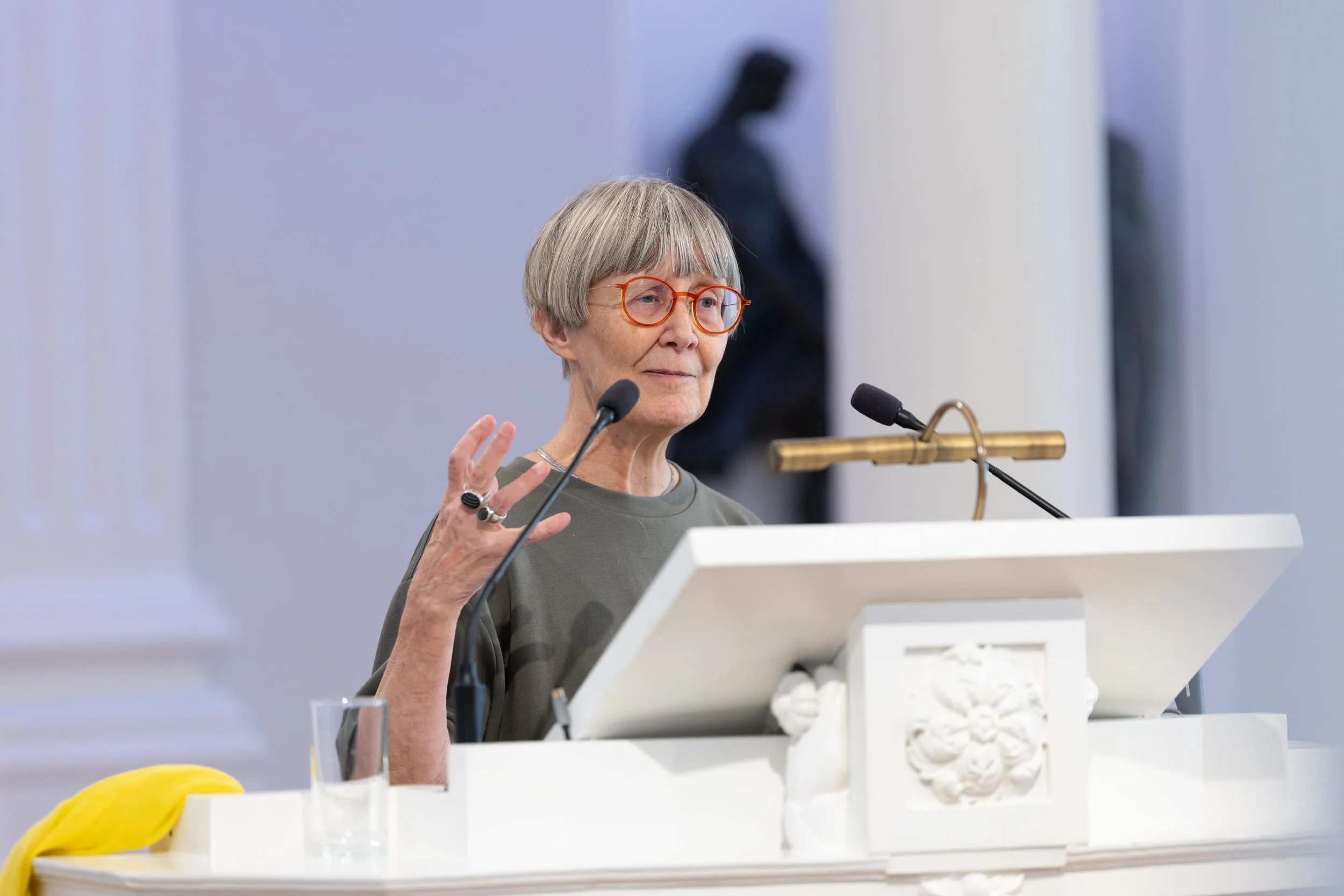
Prof. Dr. Jaana Hallamaa, University of Helsinki, examined in her lecture, “Between Self-Victimization and Safety Culture – Ethical Remarks on Encountering and Coping with Crises”, the paradoxical development of narratives of (self-)victimisation, which can be appropriated and hollowed out by powerful elites in pursuit of their political goals. These developments, in turn, create new challenges for the ways in which societies can respond to crises.
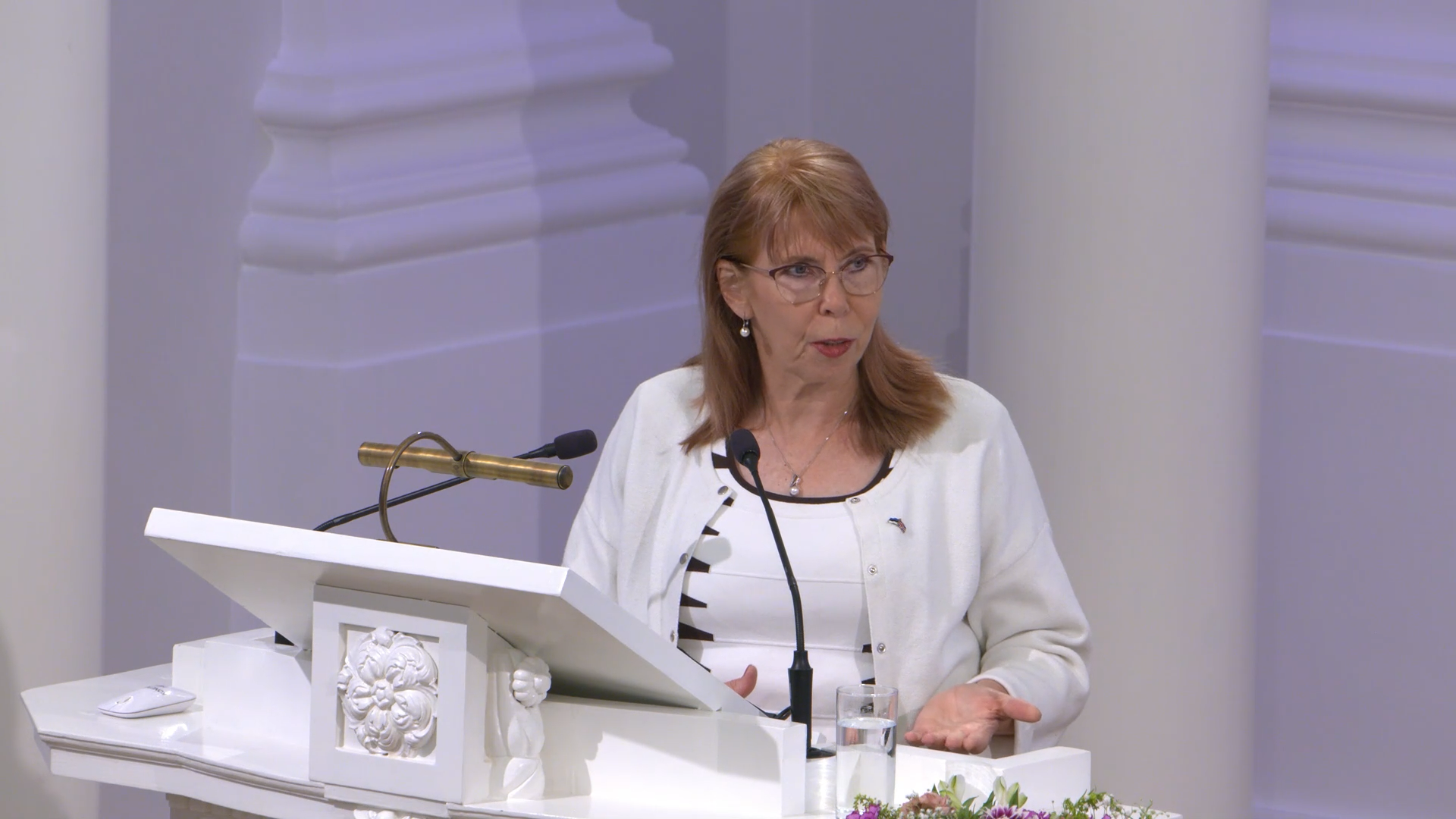
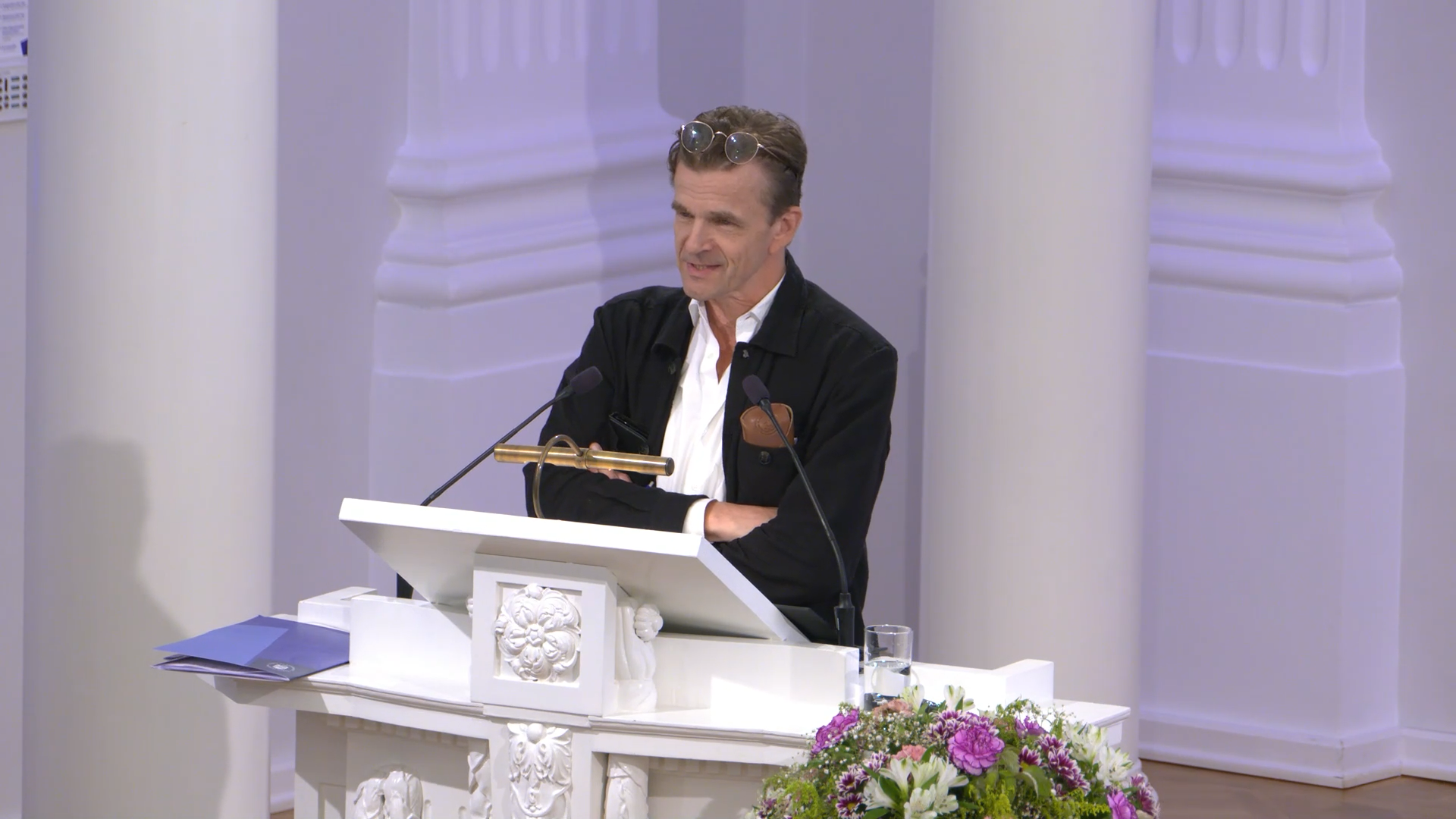
Prof. Dr. Margit Sutrop, University of Tartu and member of the Estonian Parliament, explored in her session, “Educating for Human Flourishing in Times of Crisis: Why Ethical Competency Matters”, the relationship between education and ethics in the age of artificial intelligence and the importance of ethical competence for actively shaping human flourishing in the midst of technological transformation.
The final keynote was delivered by Prof. Dr. Hans Ruin, Södertörn University, under the title “Crisis and Recovery of Tradition – St Paul in the Cultural Memory of Christianity and Judaism.” From a philosophical perspective and drawing on Memory Studies, he examined the cultural memory of Paul in Christianity and Judaism, showing how critique, reinterpretation, and renewal can be interconnected within traditions and their transmission.
All keynote lectures are available on the University of Tartu’s YouTube channel:
https://youtube.com/playlist?list=PLYME7TKibZXc&si=ADW1_20jlvUaDkv5
The diversity of the keynote lectures and their different methodological approaches to the conference theme was also reflected in the paper sessions. More than 80 abstracts were submitted in response to the Call for Papers, of which 34 were selected for presentation in Tartu. The thematic range extended from ethics of war, peace, and migration to democracy and human rights, trauma and memory, forgiveness and political reconciliation, ethical questions of climate crisis, human–nature relations, artificial intelligence and ethics, moral agency, and the relationship between religion and politics. There was a broad range of methodological approaches in ethics – philosophical, theological, semiotic, theosemiotic, semioethical, political, and many others.
Alongside the academic programme, the conference once again offered numerous opportunities for personal encounters and exchange. Even before the conference officially began, Young Societas, a self-organised network for early-career scholars in ethics, held a workshop for doctoral researchers and postdocs under the guidance of Prof. Dr. Johan-Christian Põder, University of Rostock.
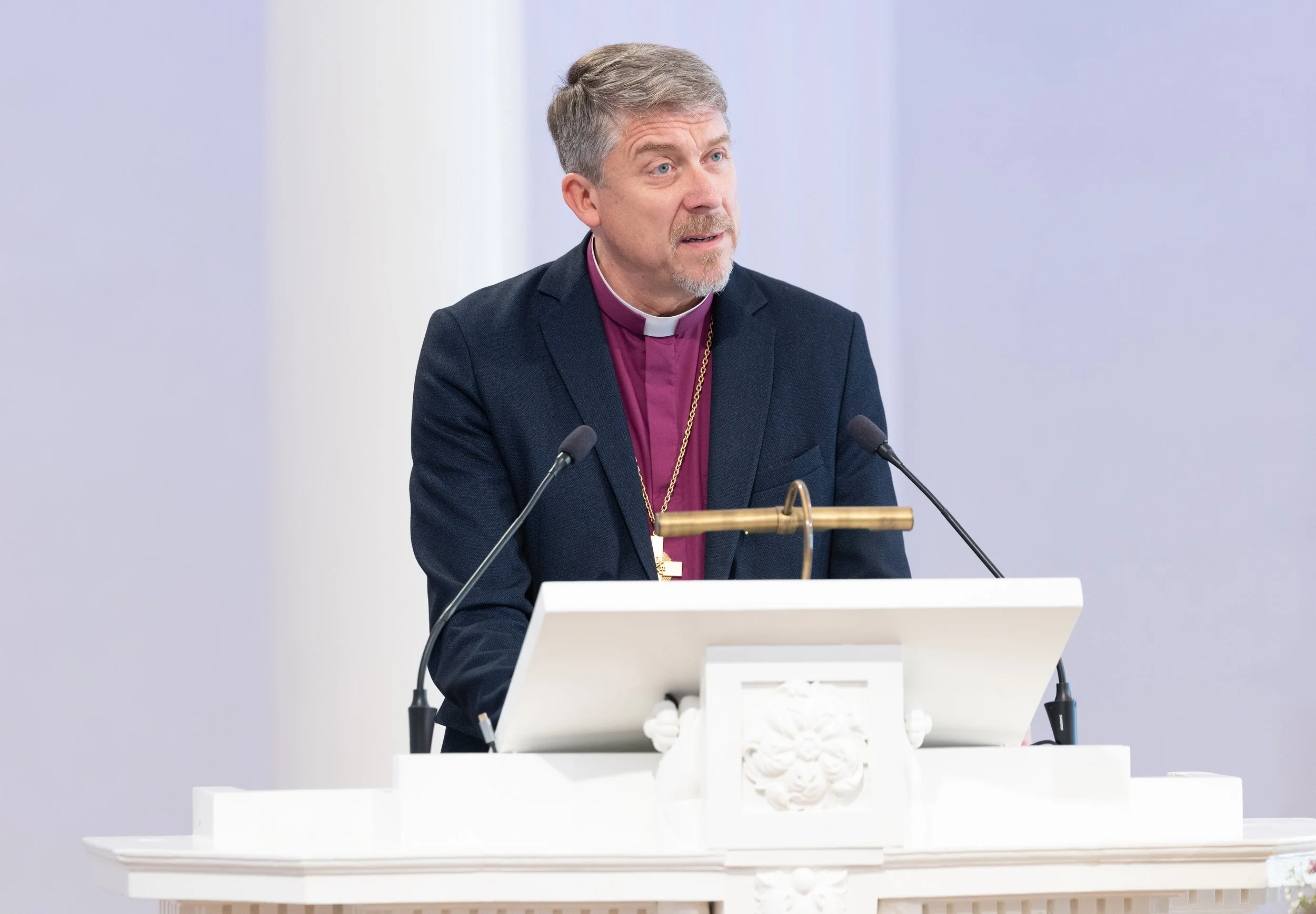
Archbishop Urmas Viilma. Photo: Andres Tennus
On Friday, participants were welcomed by Archbishop Urmas Viilma of the Estonian Evangelical Lutheran Church on behalf of the Estonian Council of Churches. In his address, he emphasised that responding to crises required more than economic and political resources. Ethical and spiritual resources are equally important. How societies emerge from crises is shaped by ethical action already during the crisis itself – through the words we speak, the suffering we acknowledge, the measures we take in the pursuit of distributive justice, and the imagination and courage with which we envision an open future. He also stressed, that the annual conference is also distinguished by taking interdisciplinary dialogue seriously. No single discipline can, on its own, encompass all the factors needed to respond to the crises of our time. What is needed is philosophical clarity, theological depth, empirical knowledge, historically grounded remembrance, and particular attentiveness to the signs and language we use today.
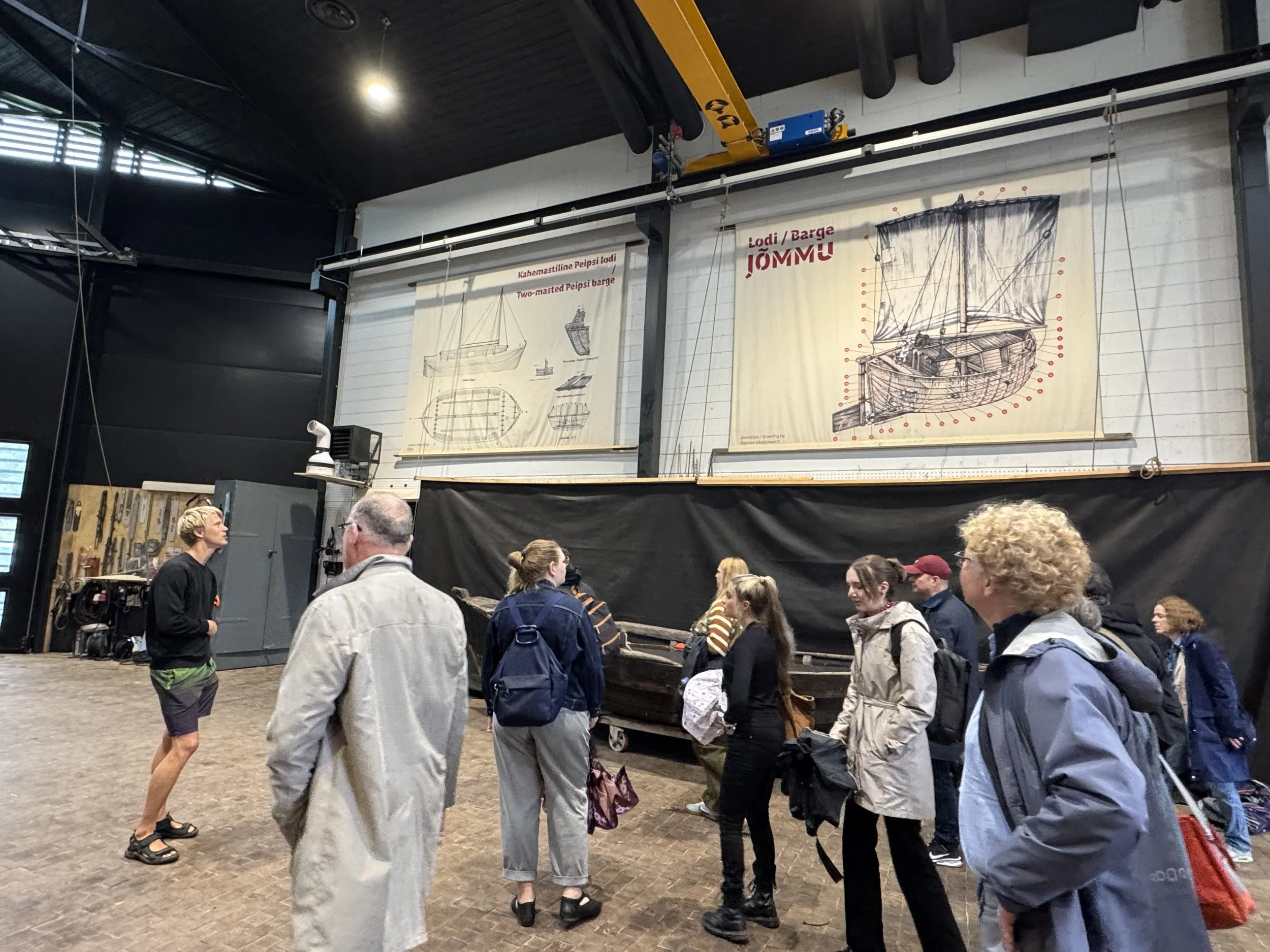
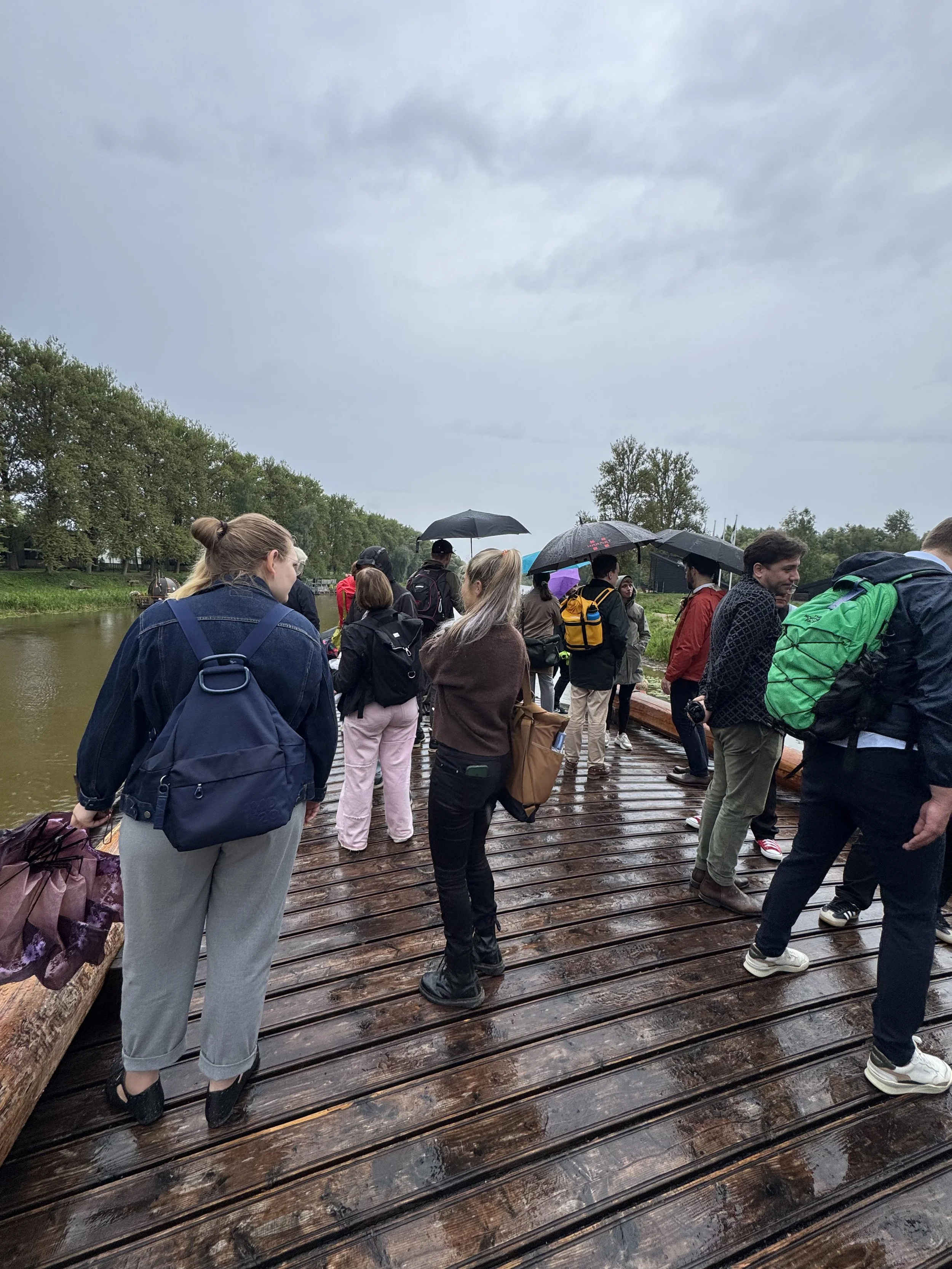
A regular part of Societas Ethica’s annual conferences is an excursion in the host country. This year, participants visited a shipyard operated by the Emajõgi Barge Society to learn about more than 600 years of Estonia’s history of cargo transportation, from the Hanseatic period through the mid-20th century. This was followed by a shared boat trip along the Emajõgi River, which runs through Tartu, accompanied by traditional Estonian music and an opportunity for informal exchange.
At the General Assembly of Societas Ethica, there were elections to the Executive Board – elected for the first period of four years have been Prof. Dr. Antonina Wozna, Bergische Universität Wuppertal and postdoc researcher for gender ethics at the Institute for Systematic Theology of the University Graz, and Prof. Dr. Ulrik Nissen, Aarhus University. After reaching the end of his term limit, Prof. Dr. Christof Mandry, Goethe University Frankfurt, stepped down from the Board. The president and the board thank Prof. Mandry for his commitment to the Societas Ethica and his great work on the board.
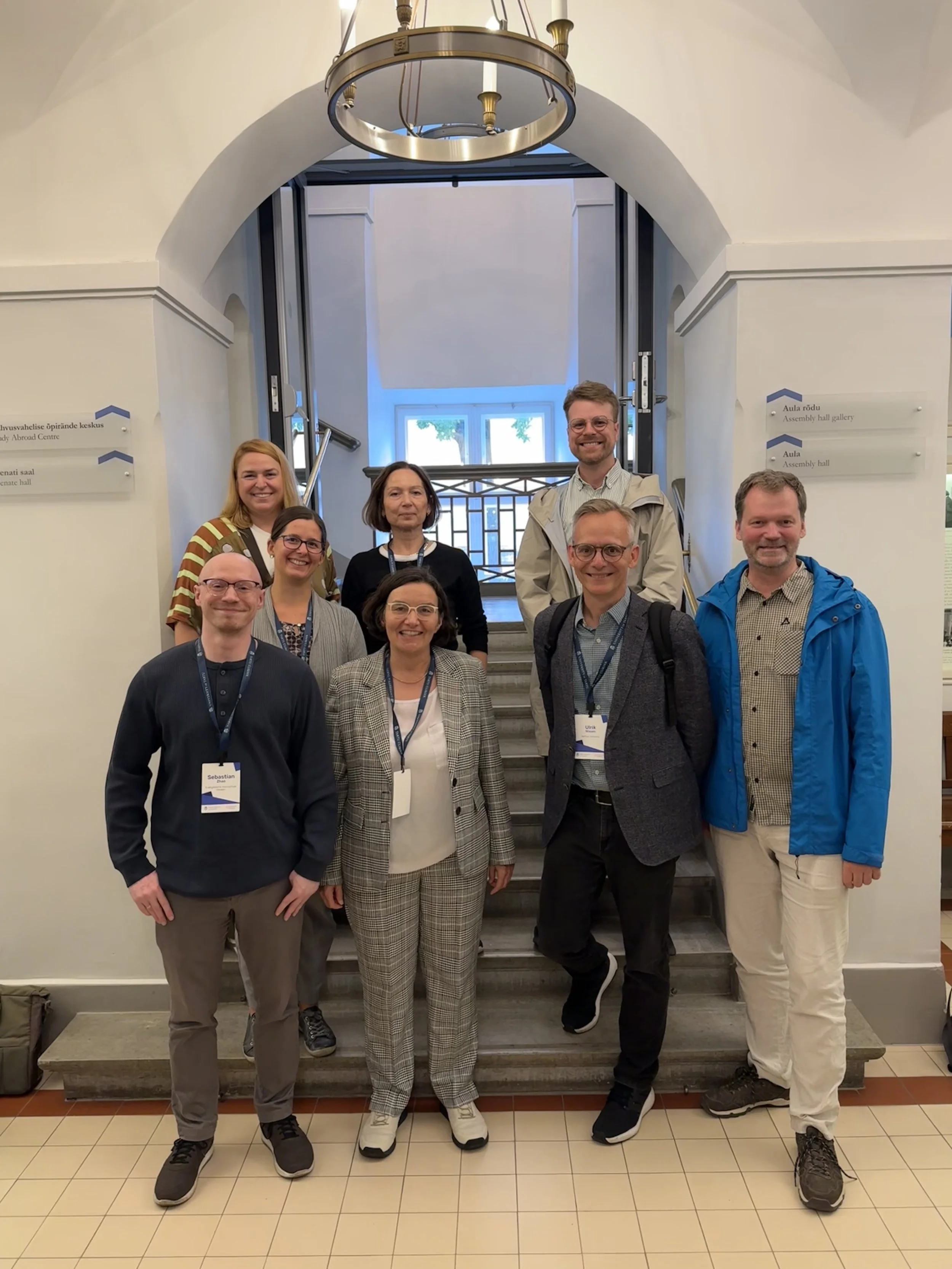
The new Executive Board, from back left to right: Prof. Dr. Antonina Wozna, Prof. Dr. Elena Namli, Dr. Martin Langby, Dr. Lea Schlenker, Sebastian Zhao, Prof. Dr. Gotlind Ulshöfer, Prof. Dr. Ulrik Nissen, Prof. Dr. Michael Coors – Photo: Sebastian Zhao
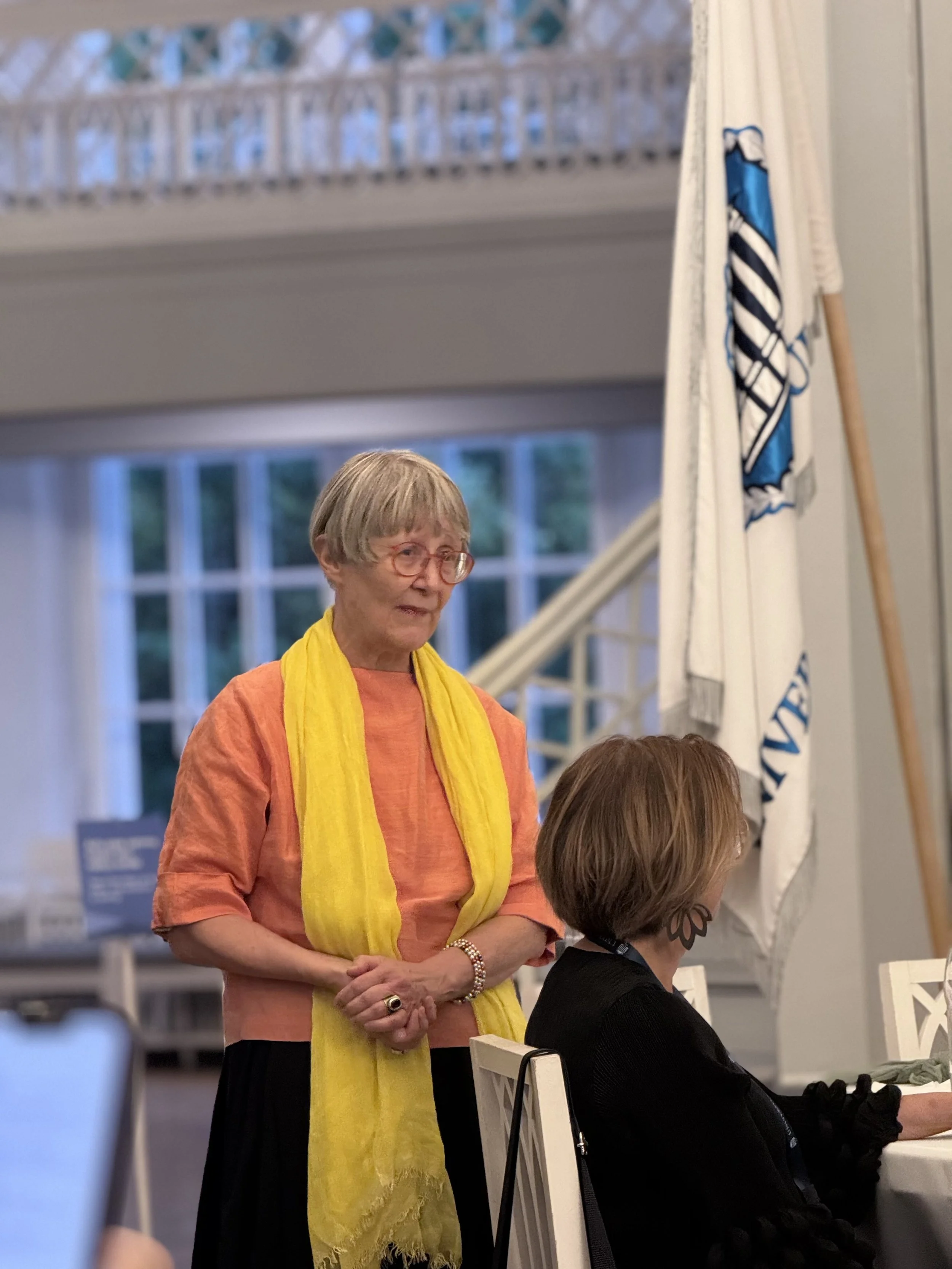
At the conference dinner, held at the historic University of Tartu Museum, Prof. Dr. Jaana Hallamaa gave an inspiring address reflecting on the challenges and particular historical significance of Estonia as the conference location. Prof. Dr. Margit Sutrop, a member of the Estonian Parliament, likewise offered thought-provoking reflections on the importance of pan-European networking in her subsequent address.
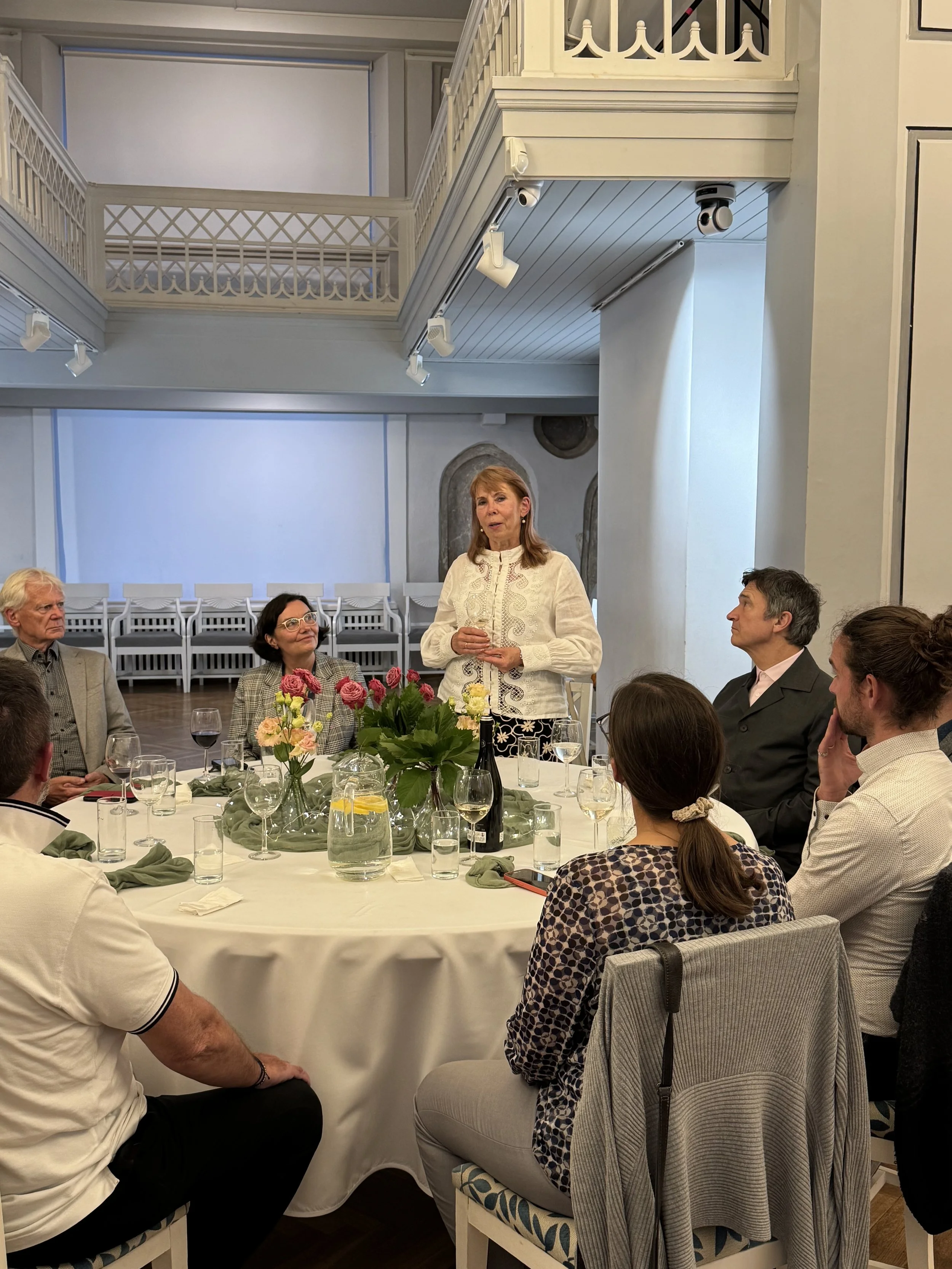
Special thanks for hosting the conference and the great organisation went out to the local organising committee, chaired by Prof. Dr. Thomas-Andreas Põder, and to Conference Manager Dr. Mati Simm and all the colleagues and students involved.
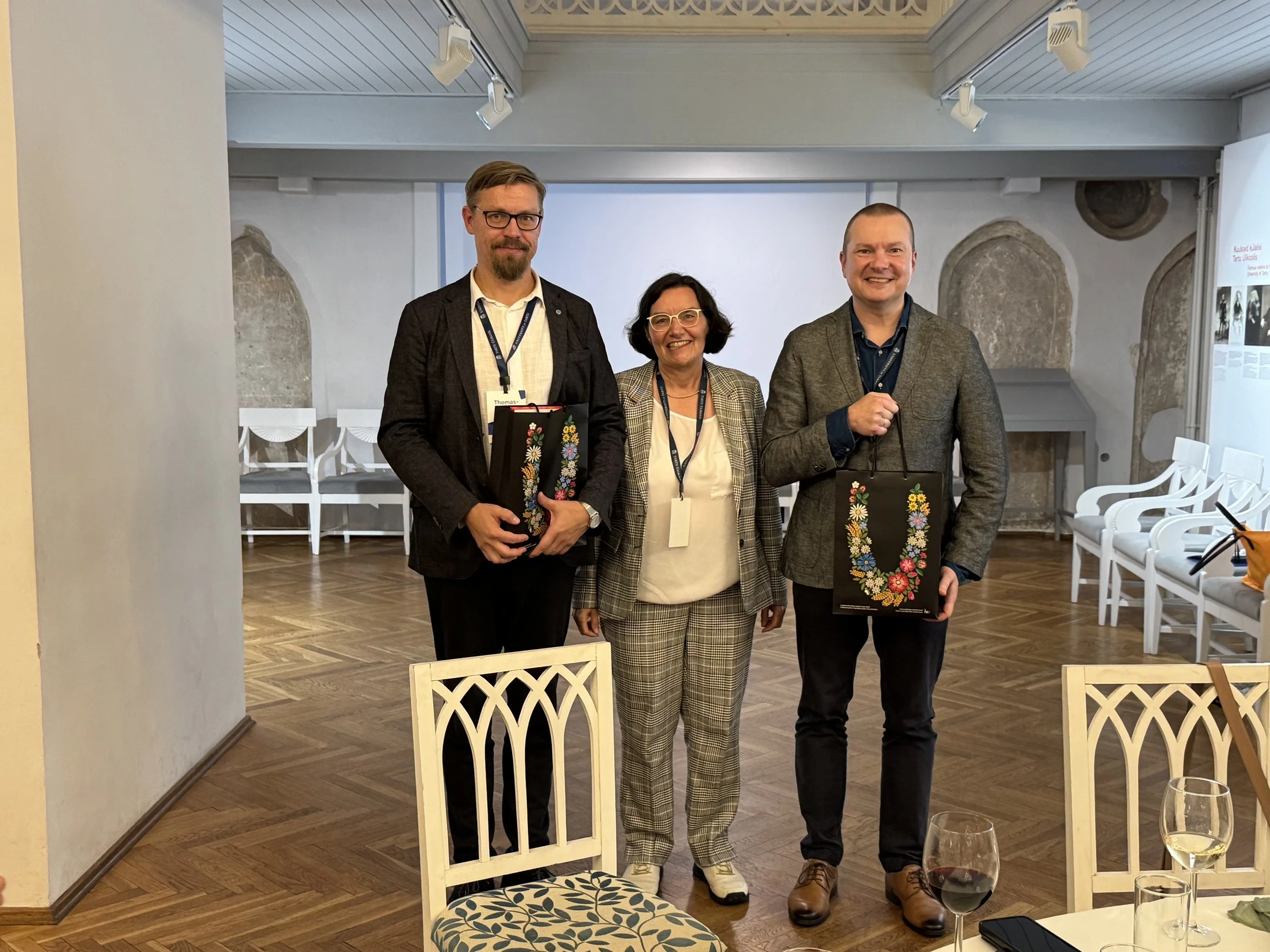
Prof. Dr. Thomas-Andreas Põder (left), Prof. Dr. Gotlind Ulshöfer (centre), Dr. Mati Simm (right) – Photo: Sebastian Zhao
As the European Society for Research in Ethics, Societas Ethica seeks to be a space for open and inclusive scholarly exchange, bringing together researchers from different generations and at different stages of their careers. At its centre is the shared discussion and further development of ethical research – across the boundaries of academic hierarchies and different scholarly experiences.
One expression of this commitment is the annual Young Scholar’s Award, presented for outstanding contributions and presentations by early-career researchers during the paper sessions. This year’s award was presented to Amanda Lindestreng for her paper “Democracy, Disagreement, and Human Rights: A Critical Reading of Dworkin.”
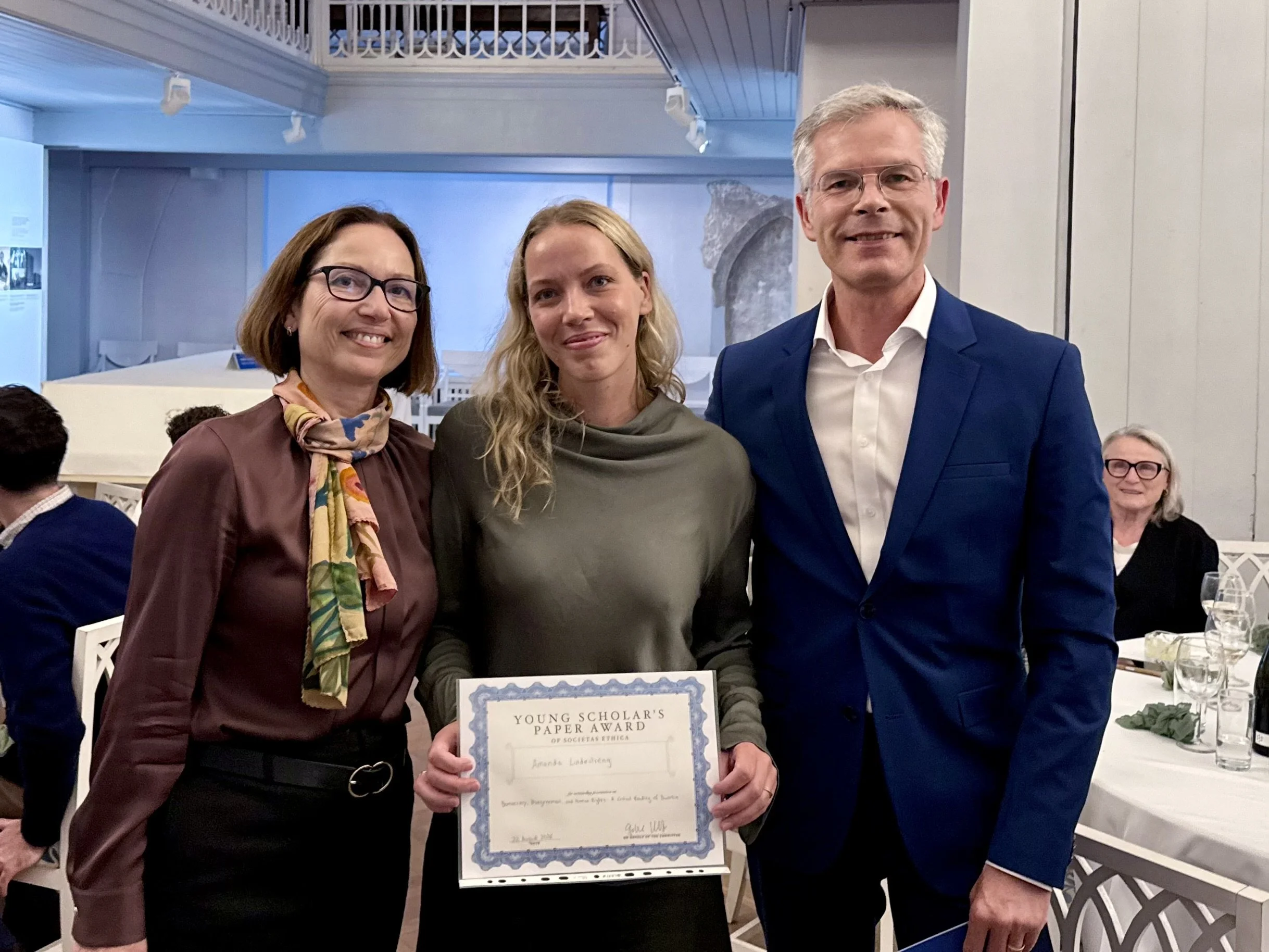
Young Scholar’s Award winner Amanda Lindestreng (centre), Prof. Dr. Elena Namli (left), Prof. Dr. Christof Mandry (right) – Photo: Dr. Martin Langby
Prof. Dr. Christof Mandry, Chair of the selection committee, emphasised the importance of the commitment and scholarly work of the next generation of researchers when presenting this year’s award.
The conference was made possible through the support of the University of Tartu – especially in cooperation with the School of Theology and Religious Studies, the Centre for Ethics, and Institute of Philosophy and Semiotics –, the Theological Institute of the Estonian Evangelical Lutheran Church, the University of Rostock, and the Estonian Council of Churches, and was organised in cooperation with TIED – Transdisciplinary Institute for Ethics, Diaconia and Digitalization at Evangelische Hochschule Hessen, University of Applied Sciences, as well as the GODINEST project.